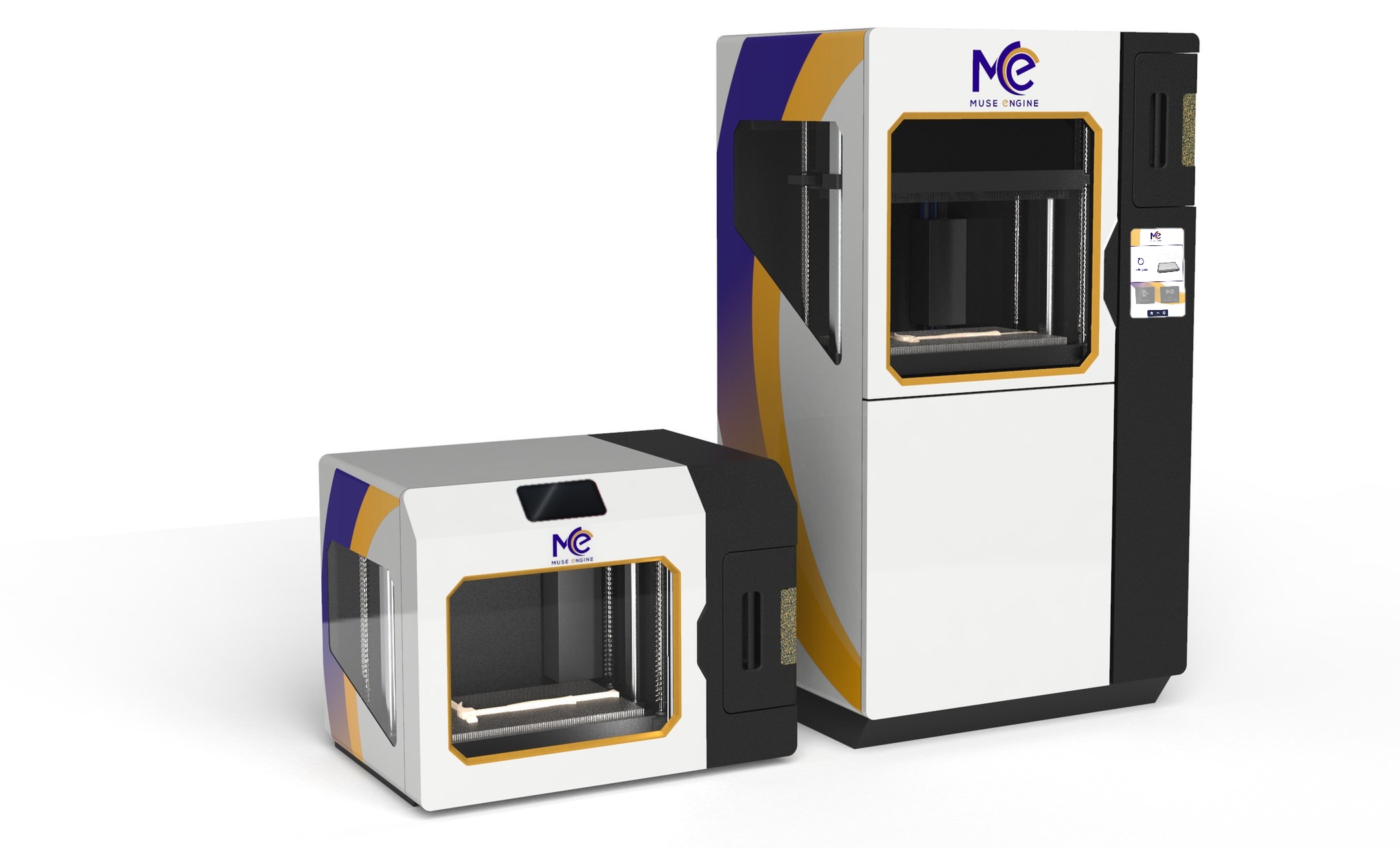
Muse Engine builds an on-demand injection printing machine. A part goes on the bed, the machine captures it, and a copy is molded on its patented technology.
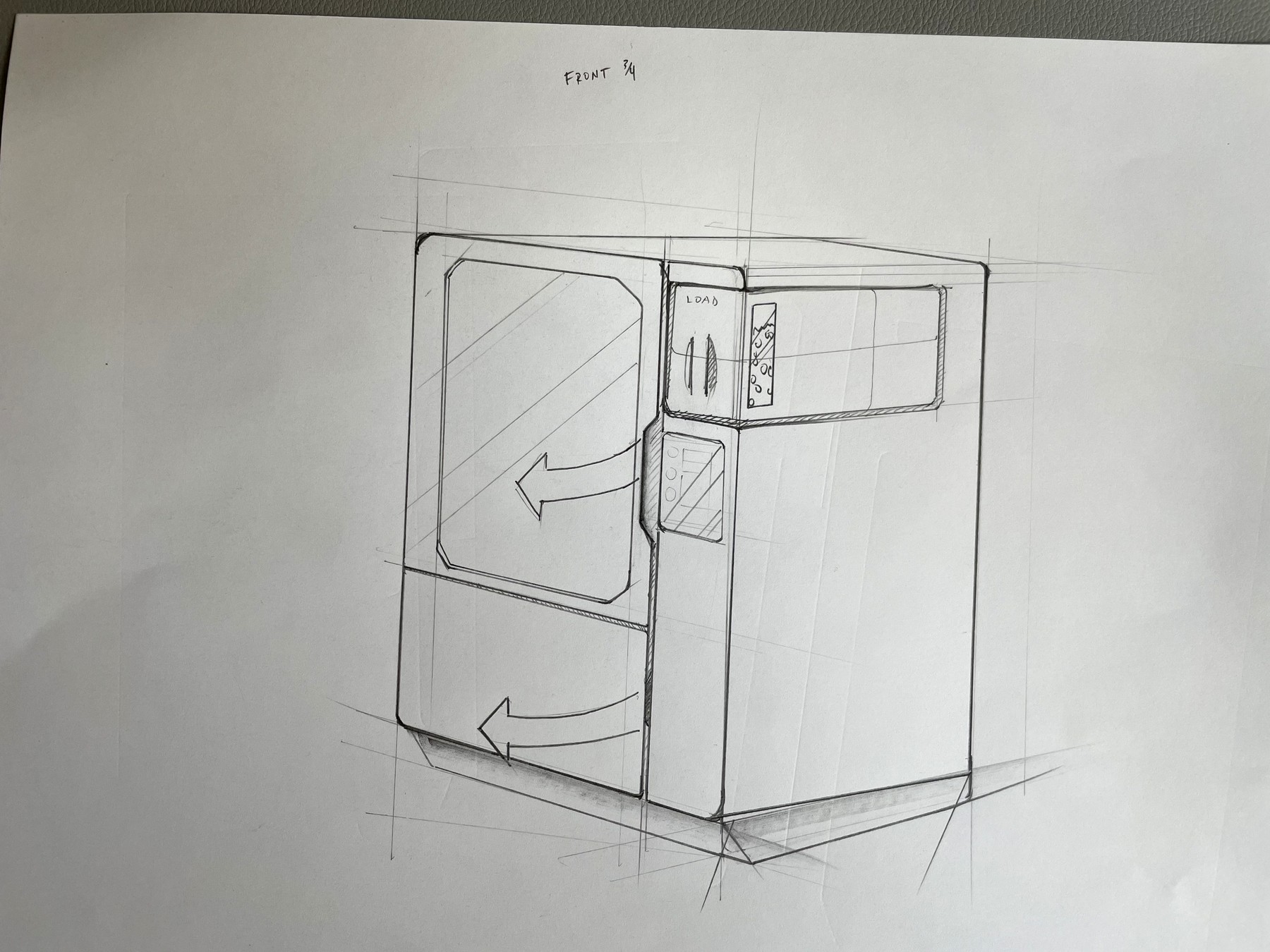
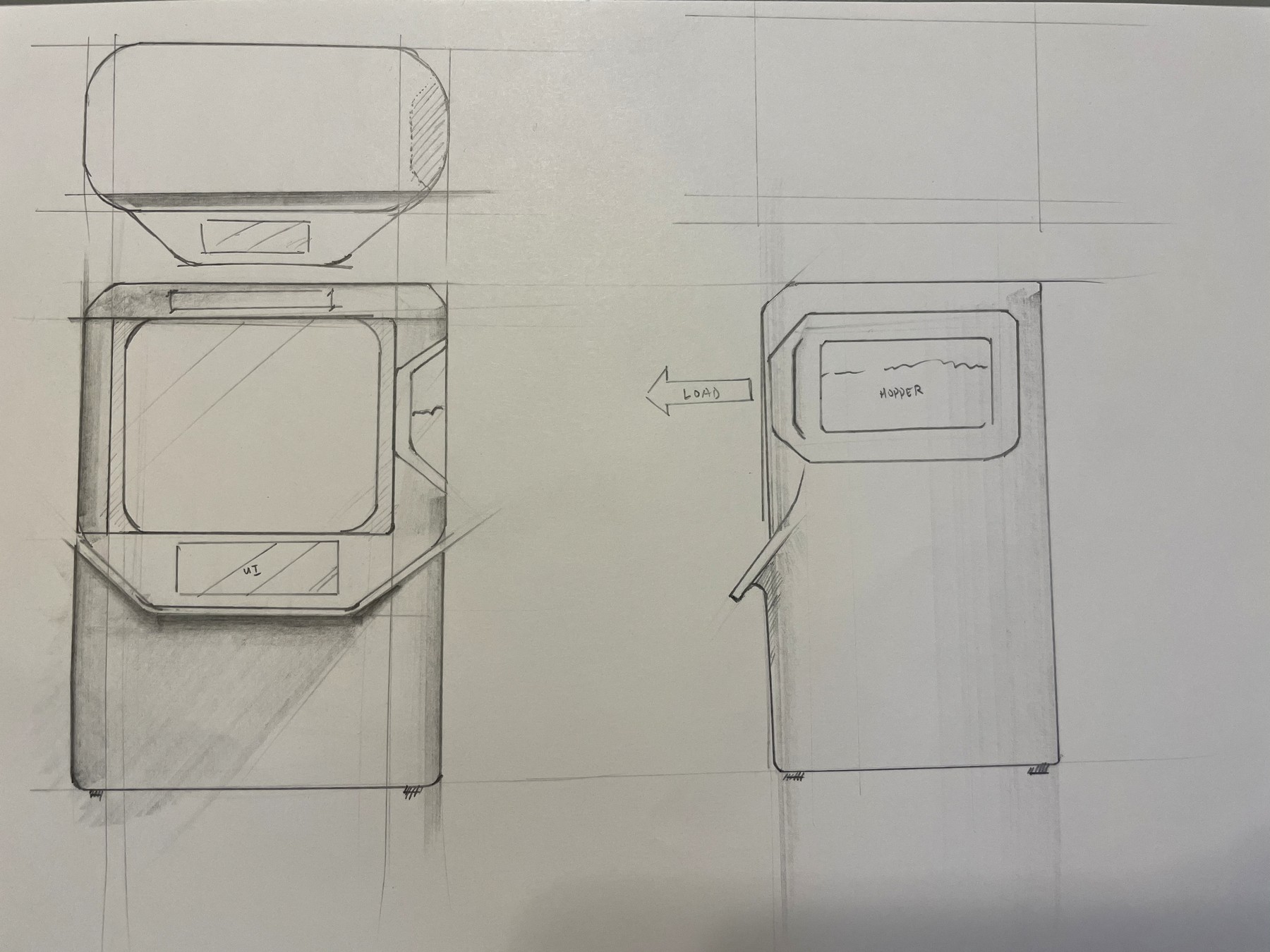
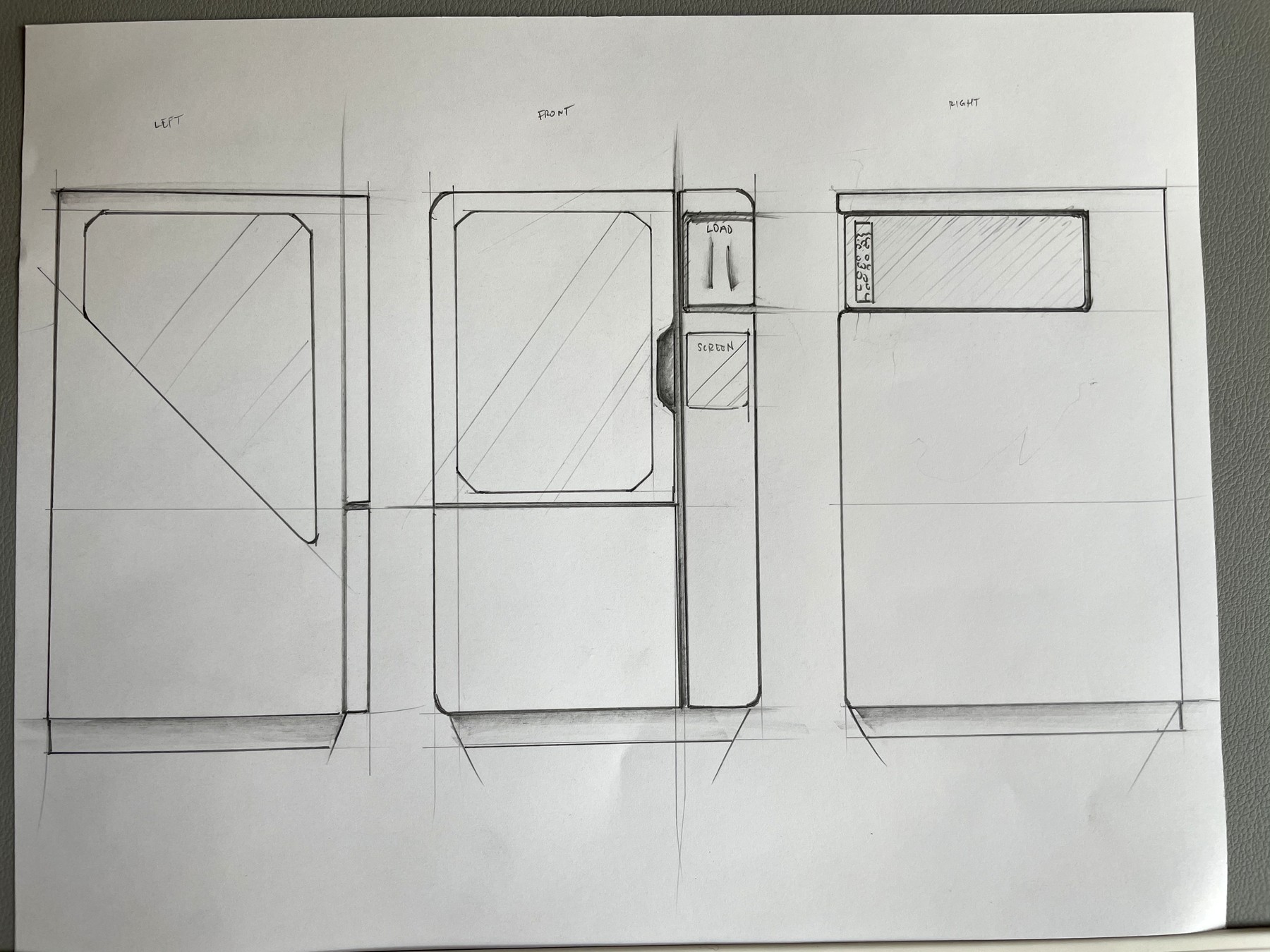
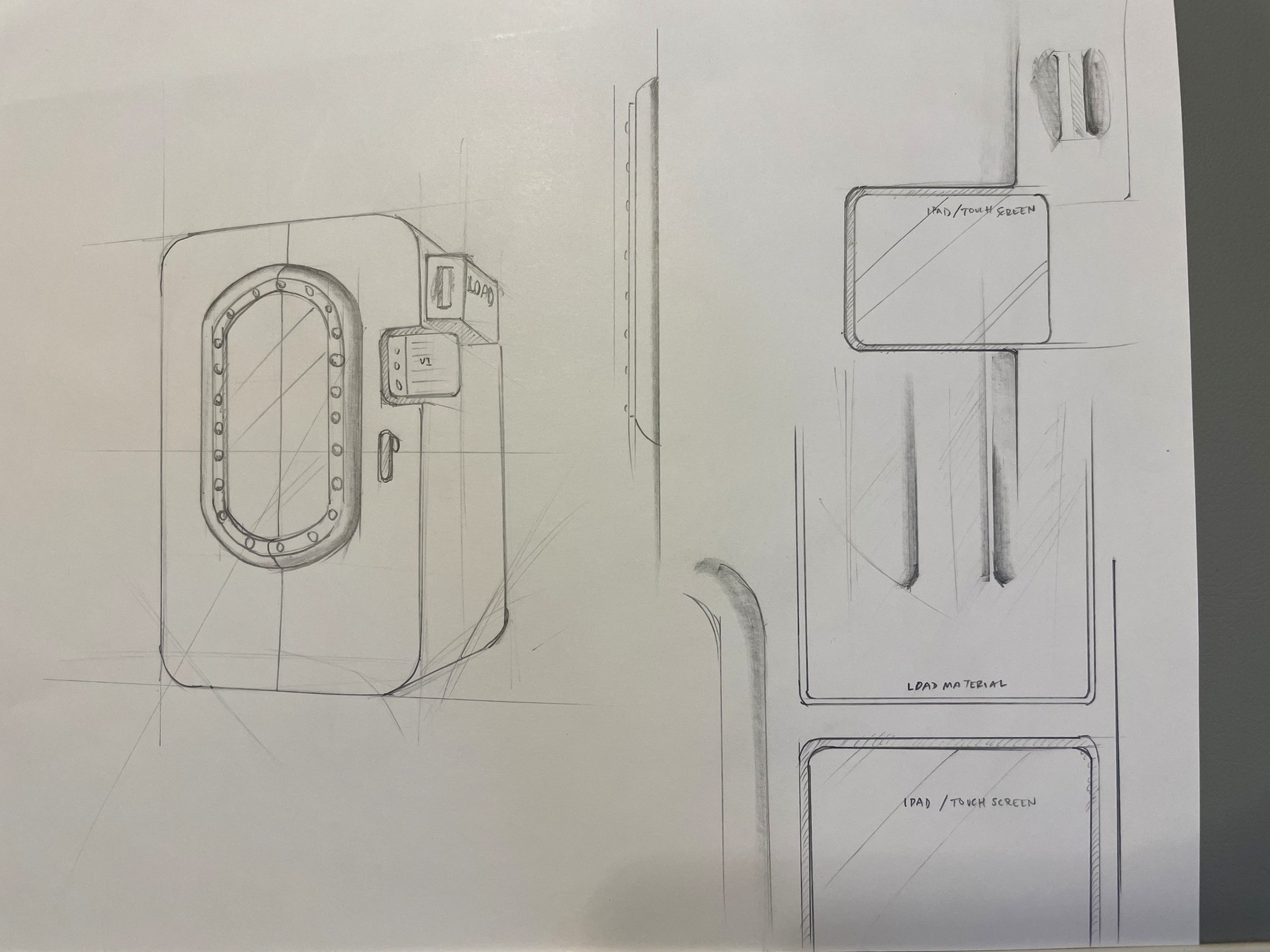
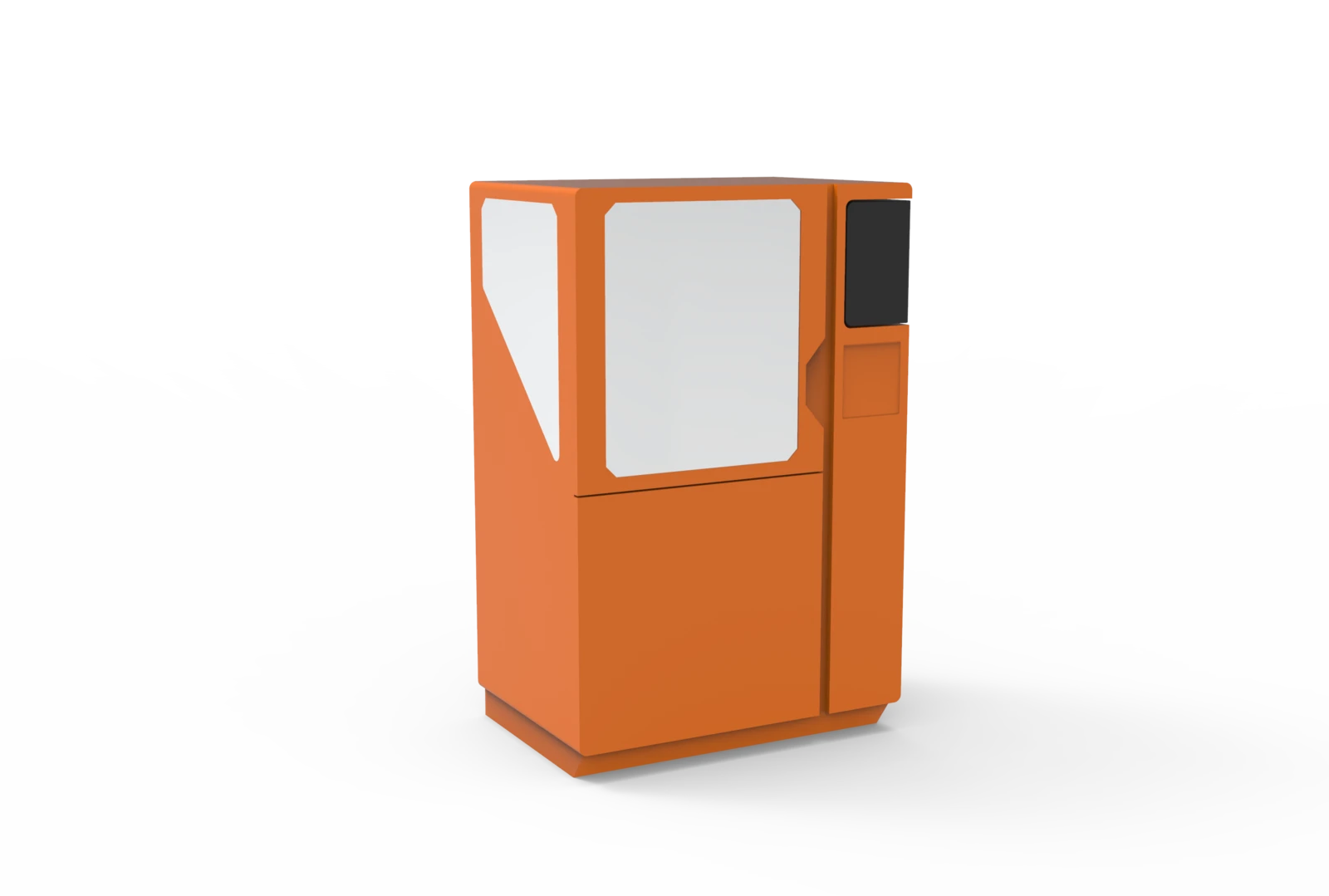
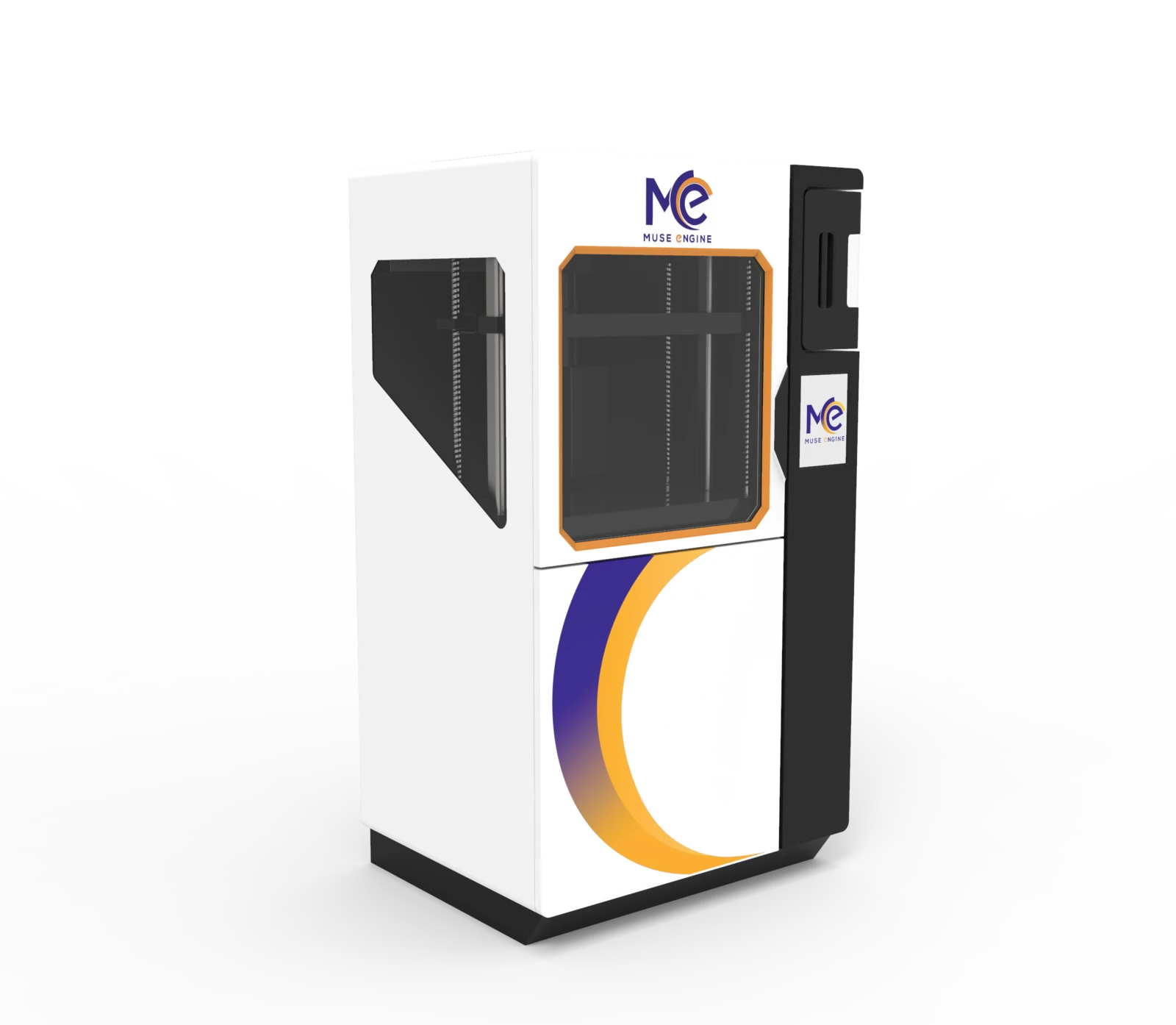
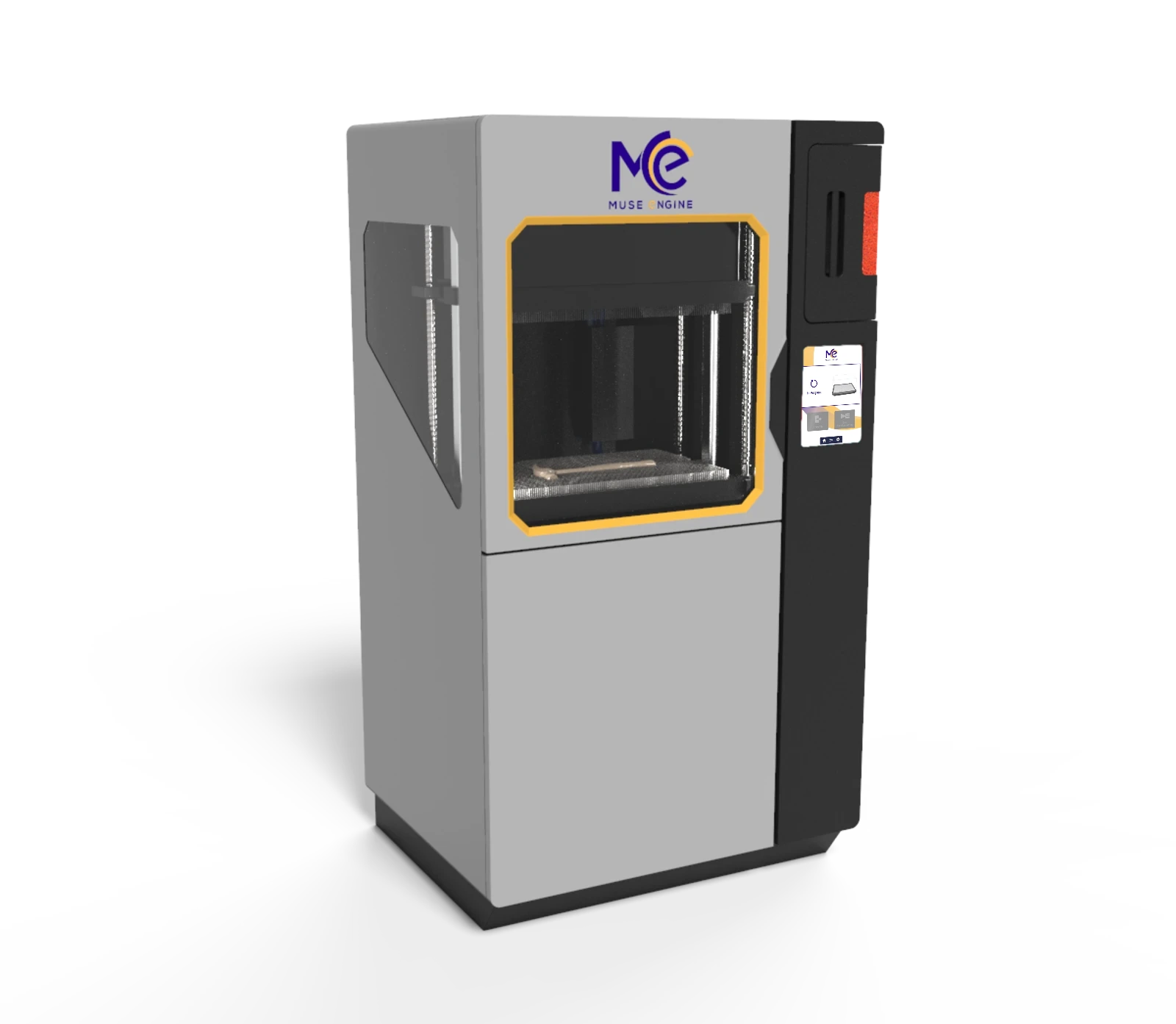
The company needed housing renderings and animation for investor presentations. I worked on the form factor, the CAD modeling that refined form and styling, the film, and the mold tooling.
Freelance industrial design2021 to 2023
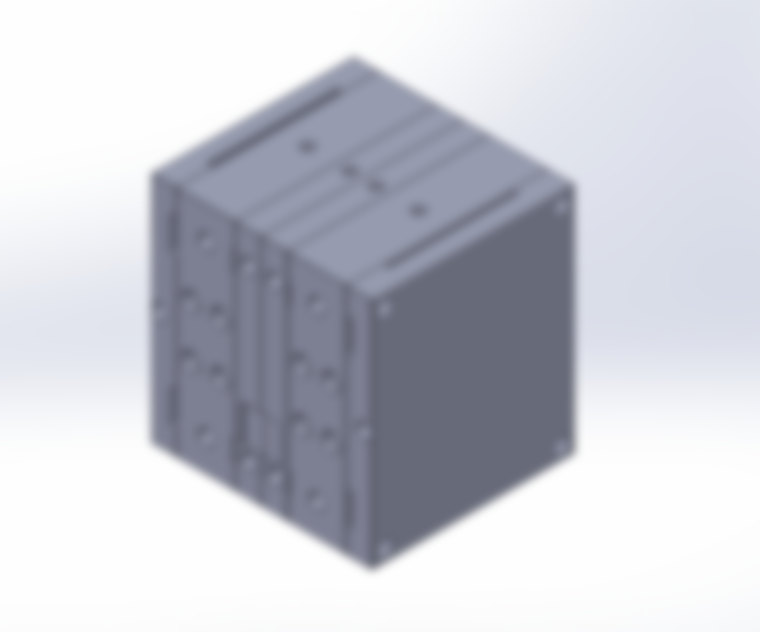
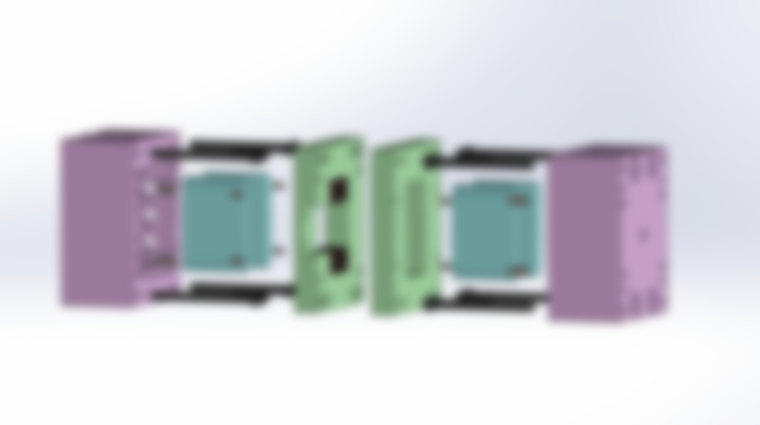
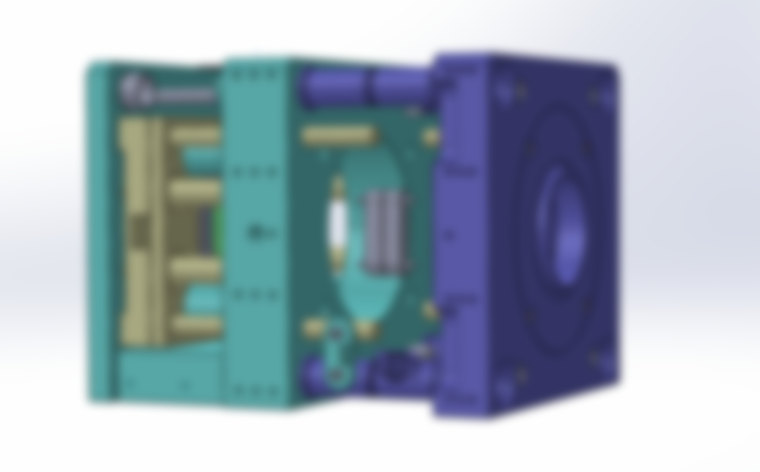
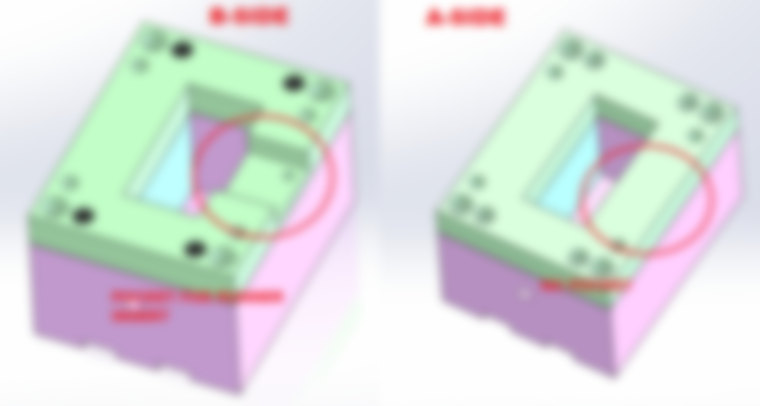
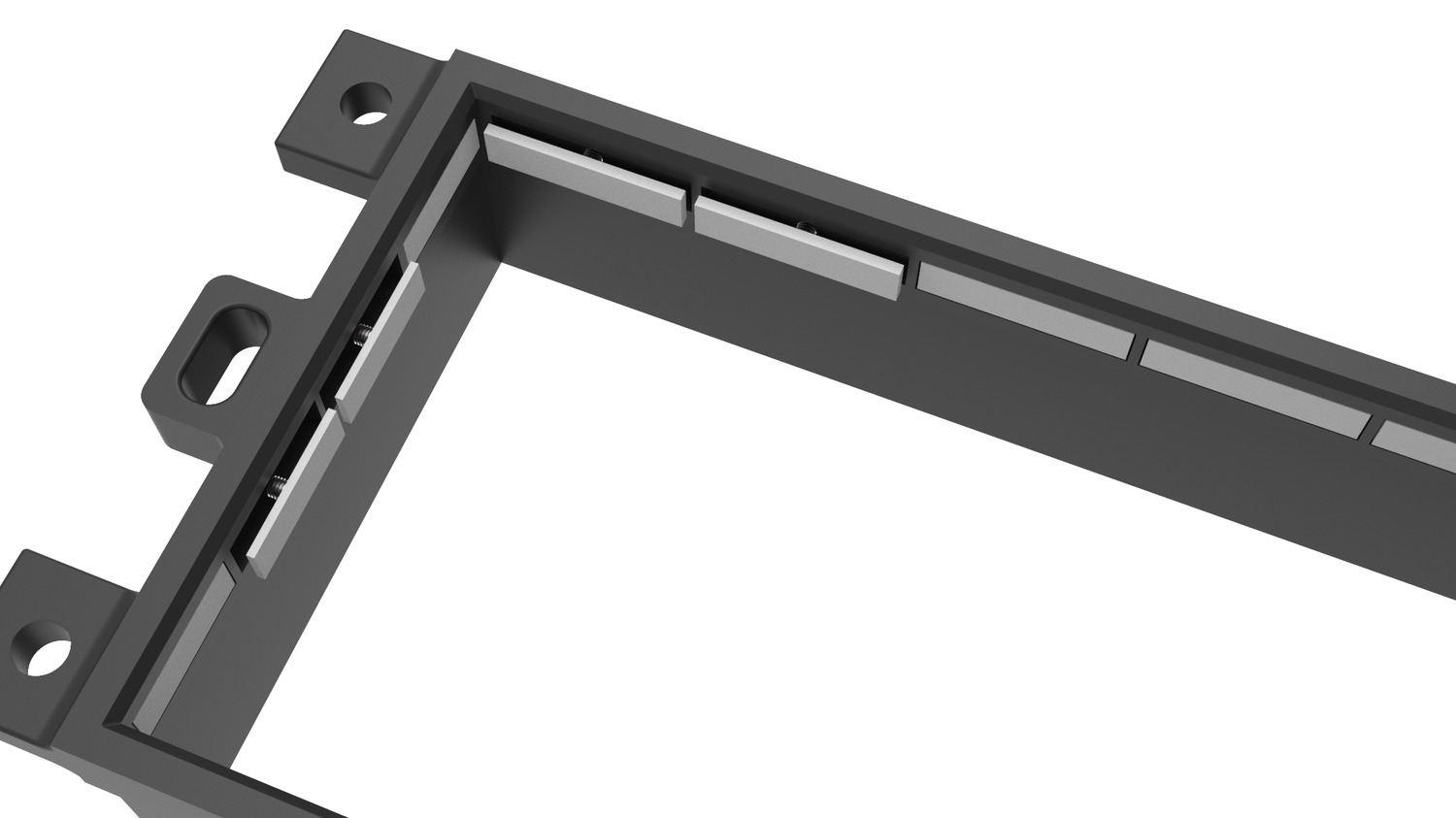
The proof of concept needed a mold that would actually run on the machine, so a standard mold base was retooled rather than a new tool cut from nothing. Plates and inserts were reworked to fit, and a pocket was added for the runner insert.
Muse Engine's patented process is called injection printing, and it sits between large scale manufacturing and prototyping. Cutting a static mold for injection molding carries high cost and long lead time. 3D printing has low yield and limited materials. Injection printing removes the time and cost of developing a static mold.
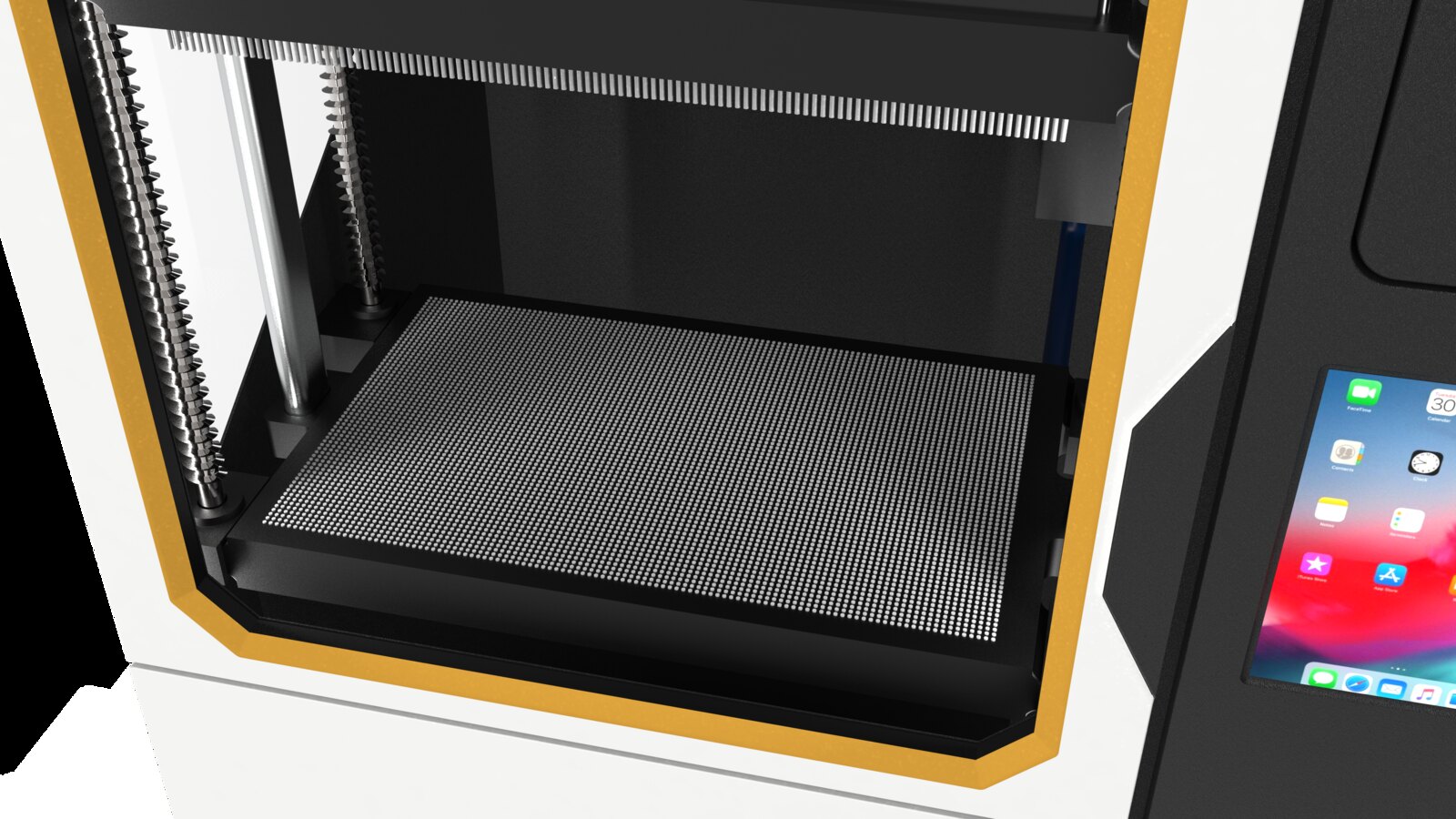
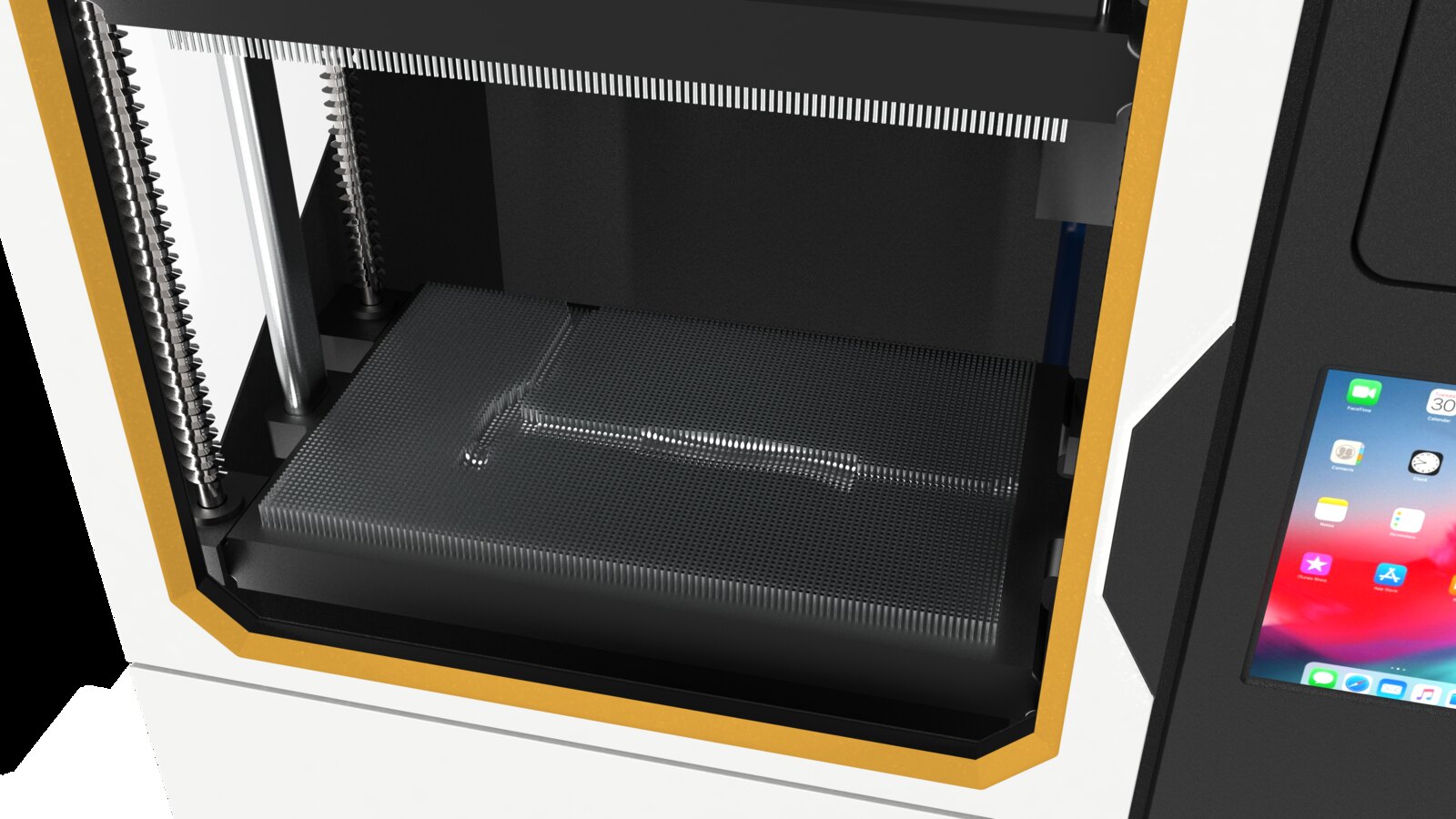
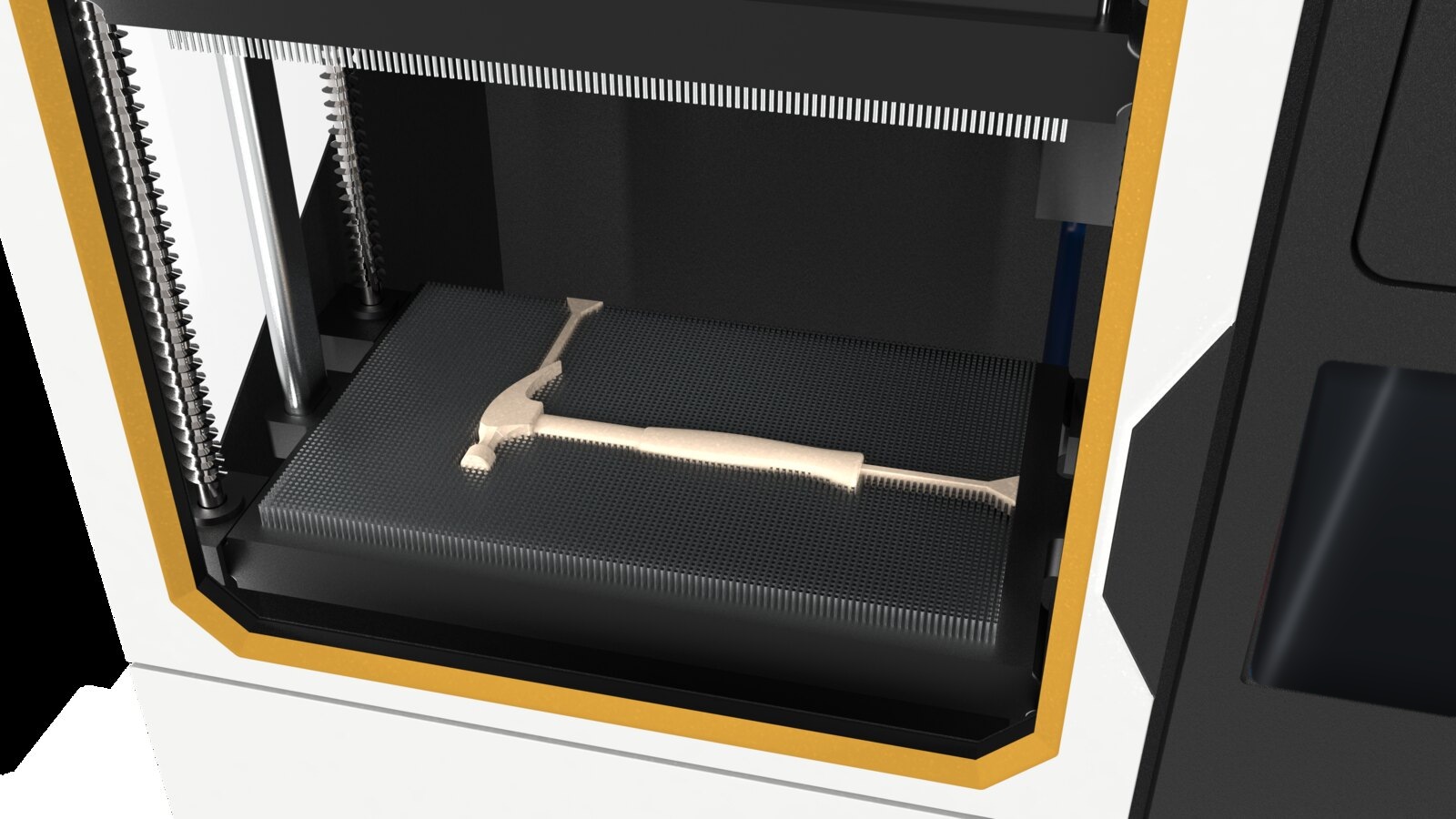
The company calls the capture step reverse imprint: create duplicate parts without software. A physical part goes on the bed, the bed sets itself to that shape, and a copy is molded.
The machine can overmold in one print session. These renders lay out three ball joints with the runner feeding them, so both materials are molded together on the bed instead of being molded separately and assembled afterwards.
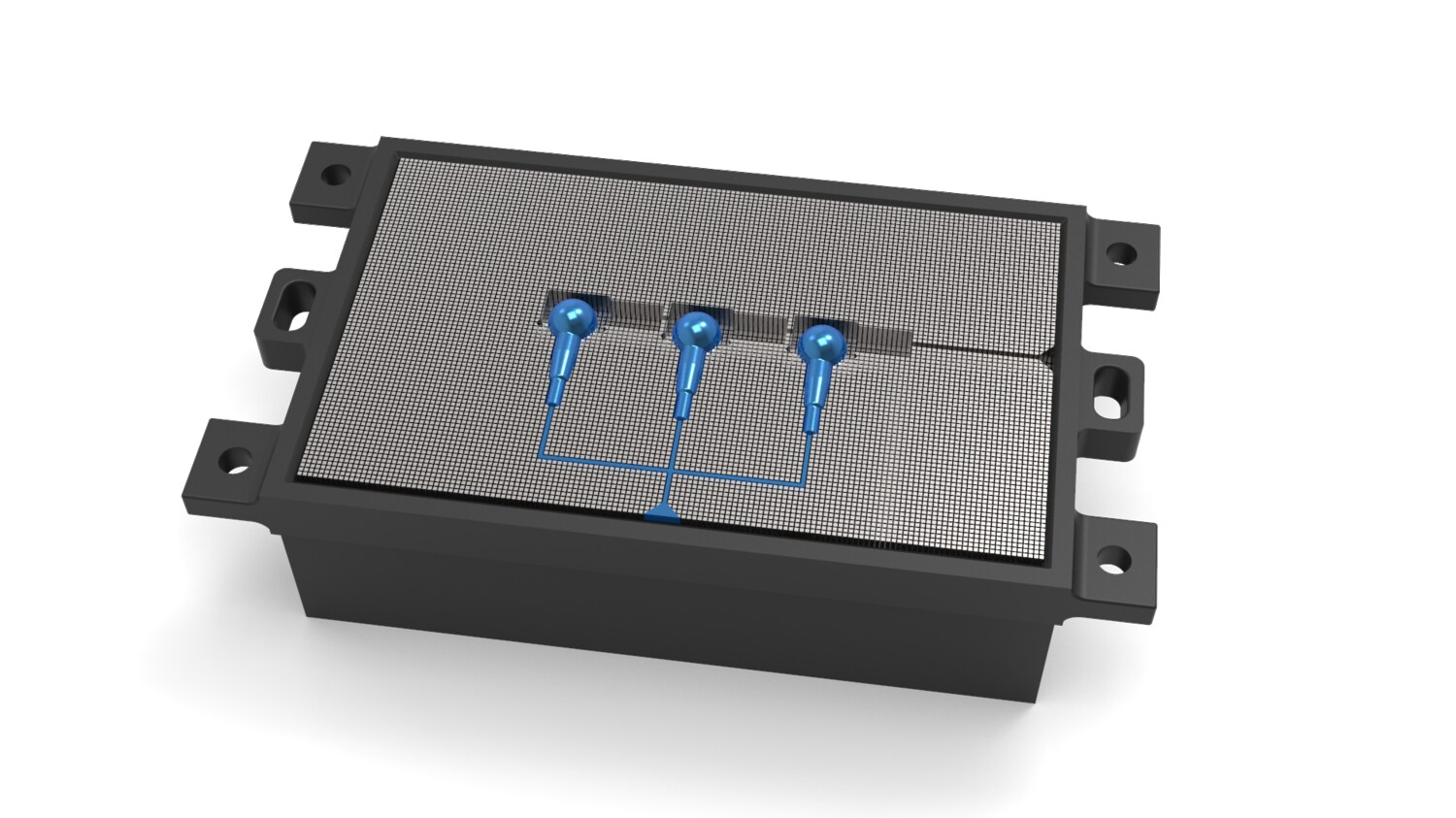
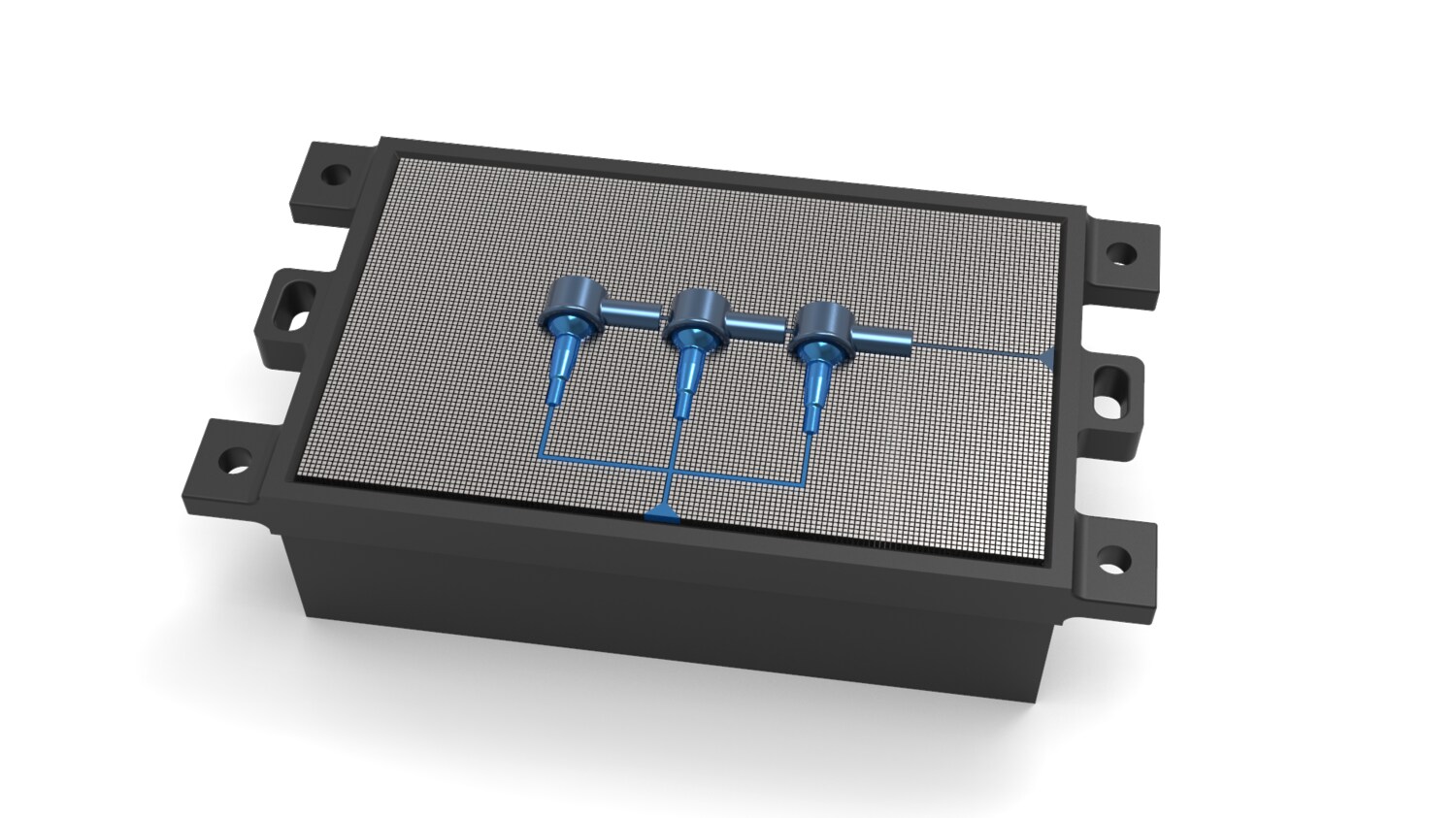
An existing part can be copied without a drawing or a CAD file. The machine captures the part on the bed, the bed holds that shape as the cavity, and the same geometry is injection molded in production material to recreate it.