01Research — what makes a mixing bowl iconic
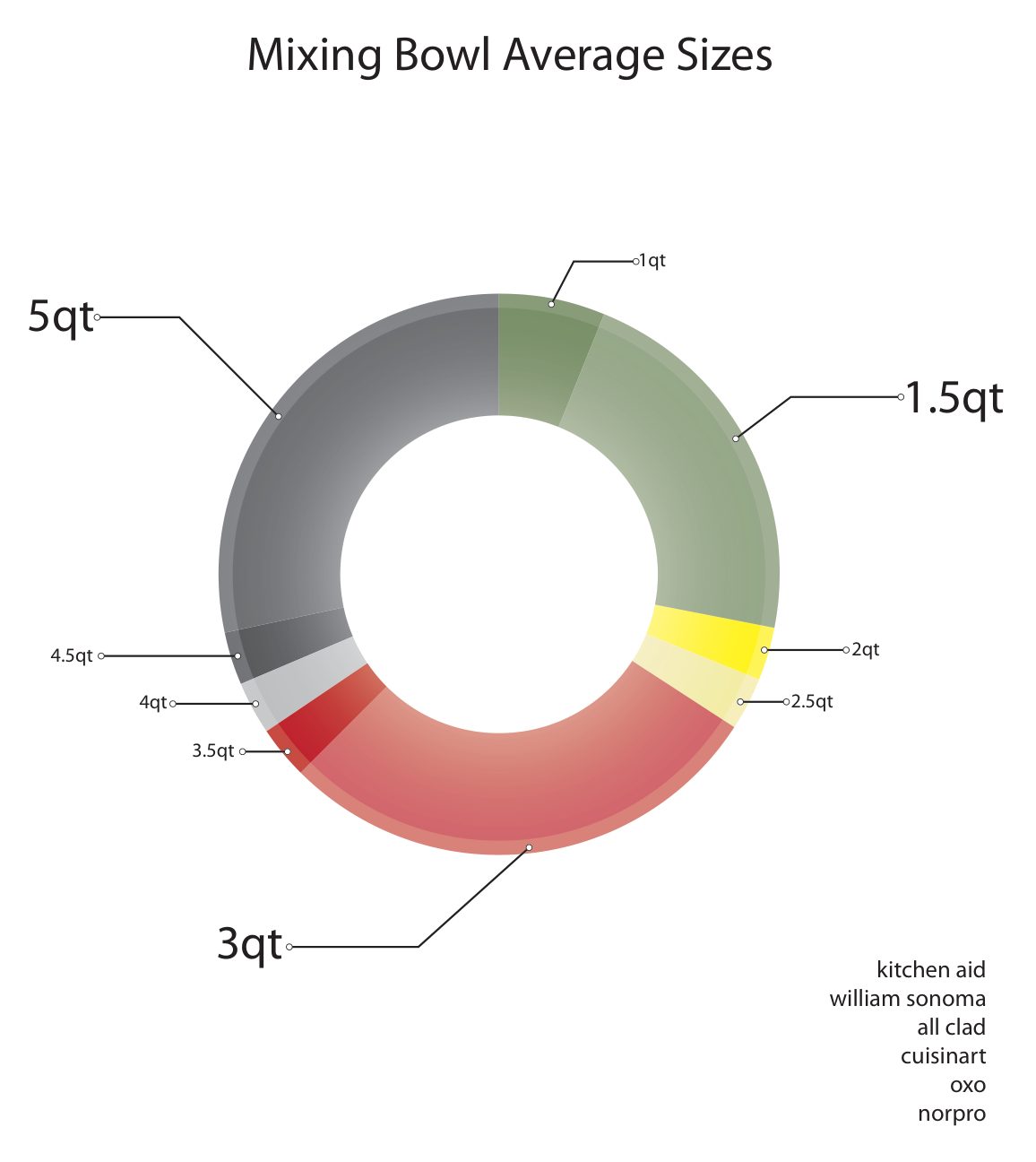
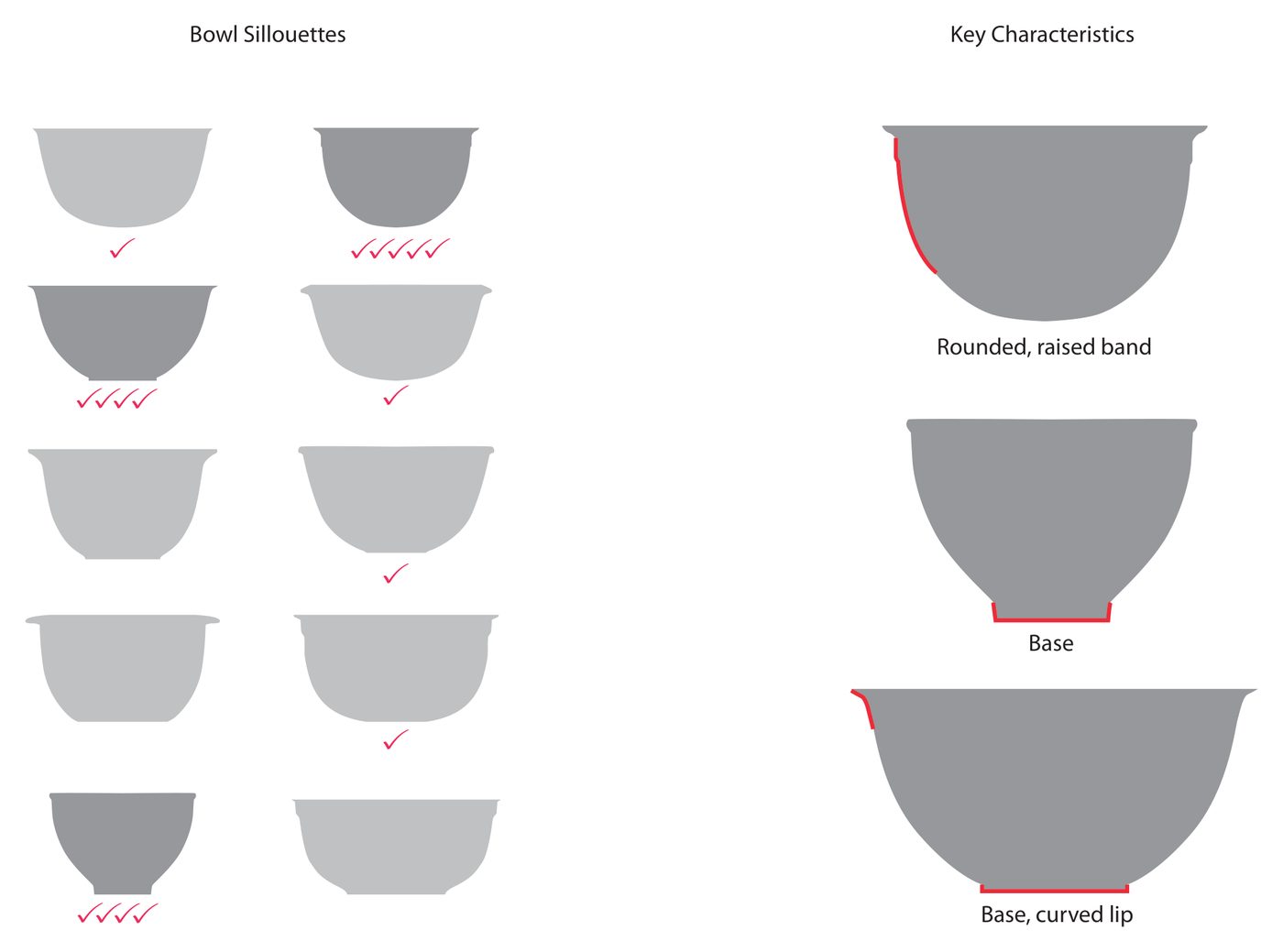
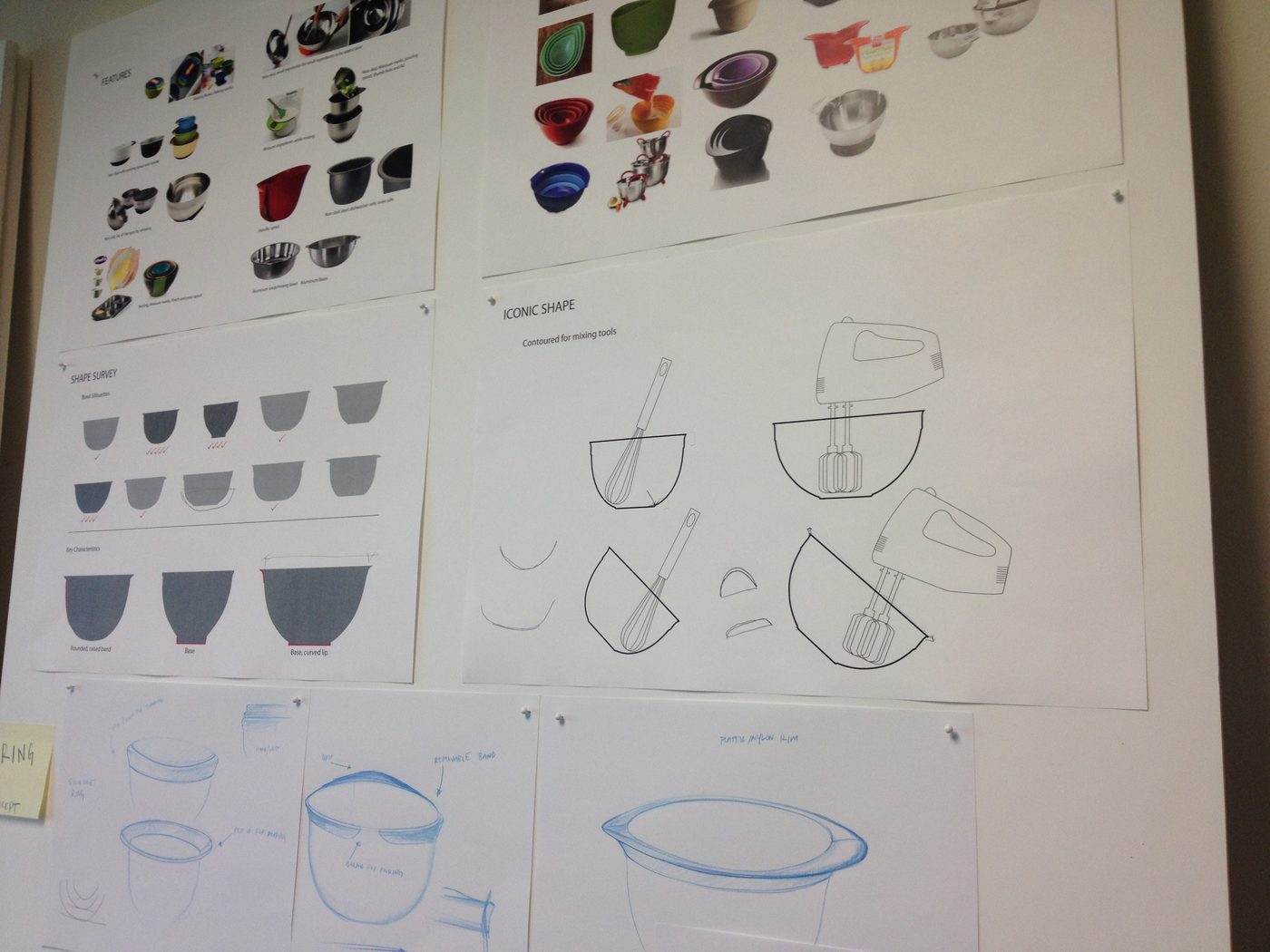
Research covered six popular mixing-bowl brands: KitchenAid, Williams-Sonoma, All-Clad, Cuisinart, OXO, and Norpro. Their bowls were compared for volume capacity, styling, and stability, which showed the common sizes a new set needed to cover and the shapes the category is built on: the rounded band, the base, the curved lip.
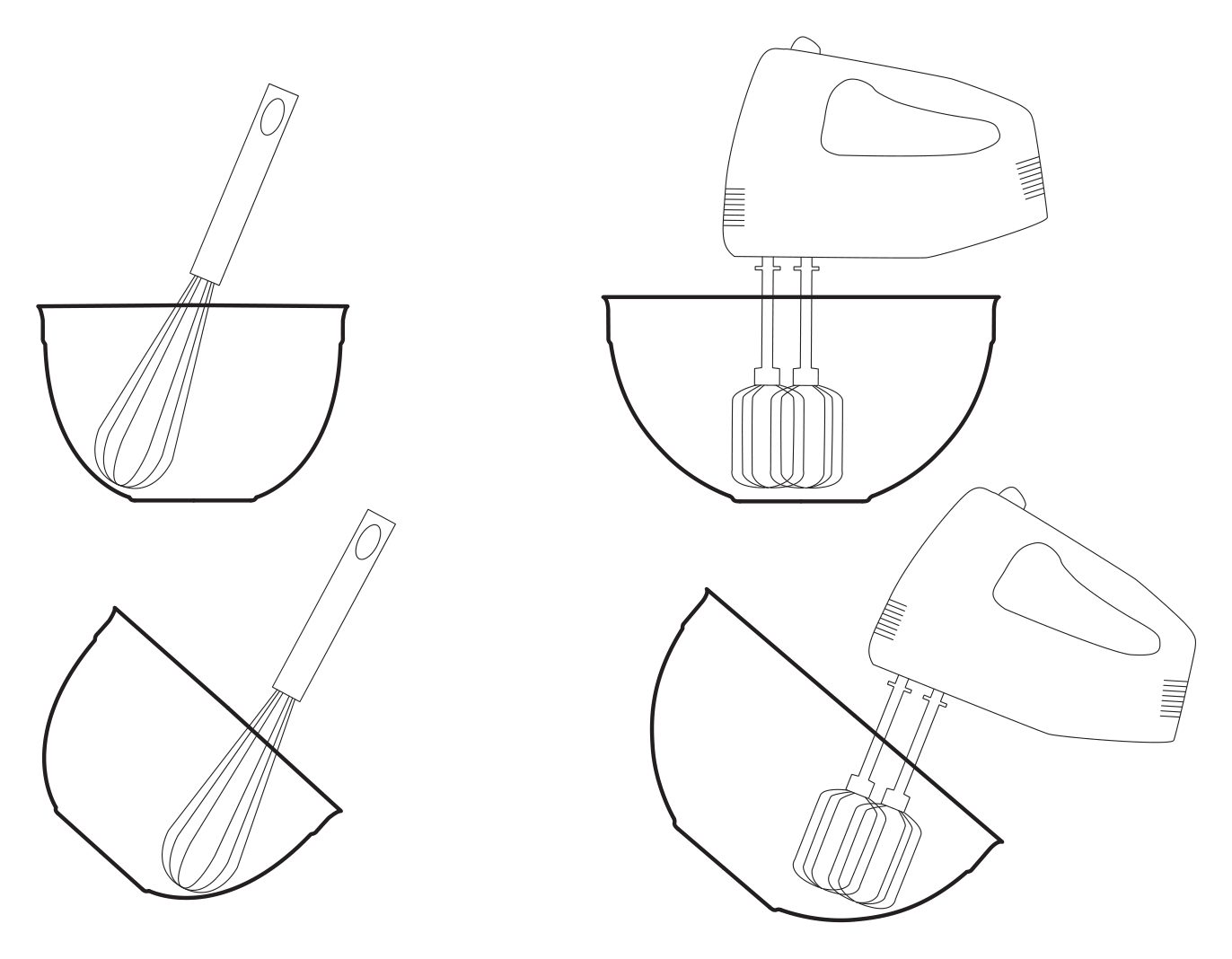
Interaction studies looked at how a whisk and a hand mixer meet the bowl: upright for beating, tilted for folding. Those angles set the wall angle, the depth, and how stable the bowl is when held at a slant.
02Form development
Concept sketching looked for a design language that matched Tramontina's brand: a shape that stands out from the category while staying practical and useful. The sketches explored storage, stackability, and stability.
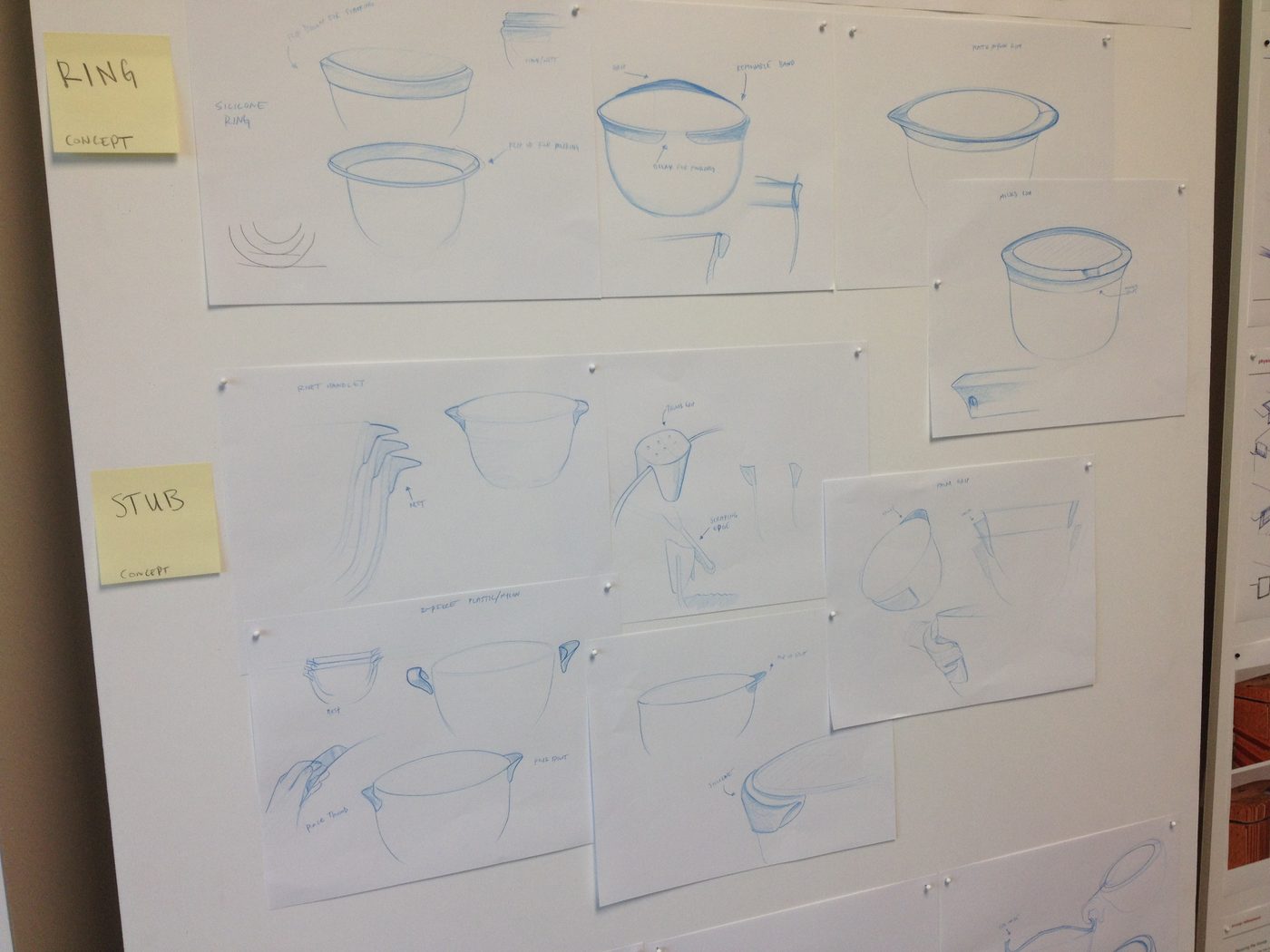
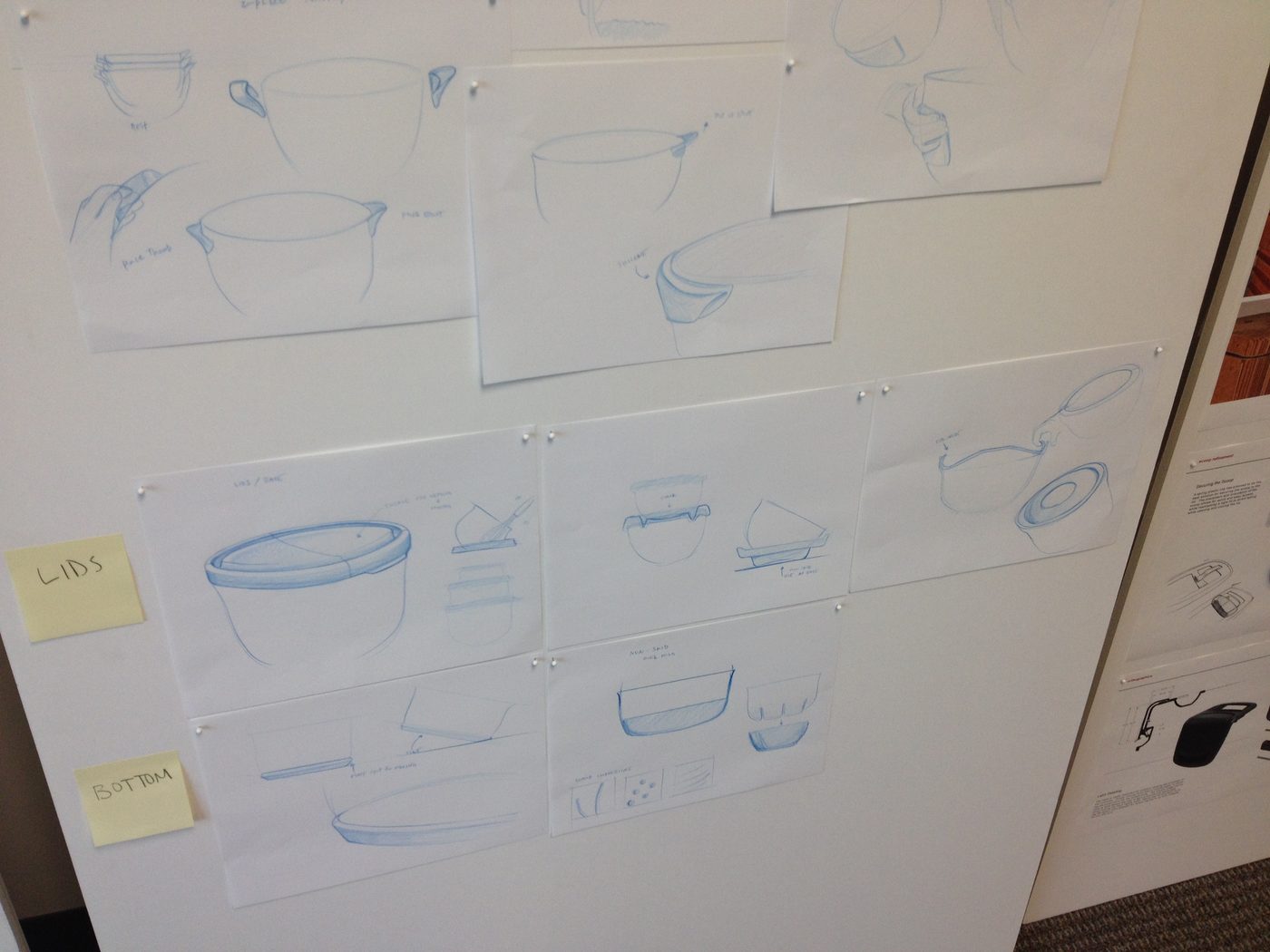
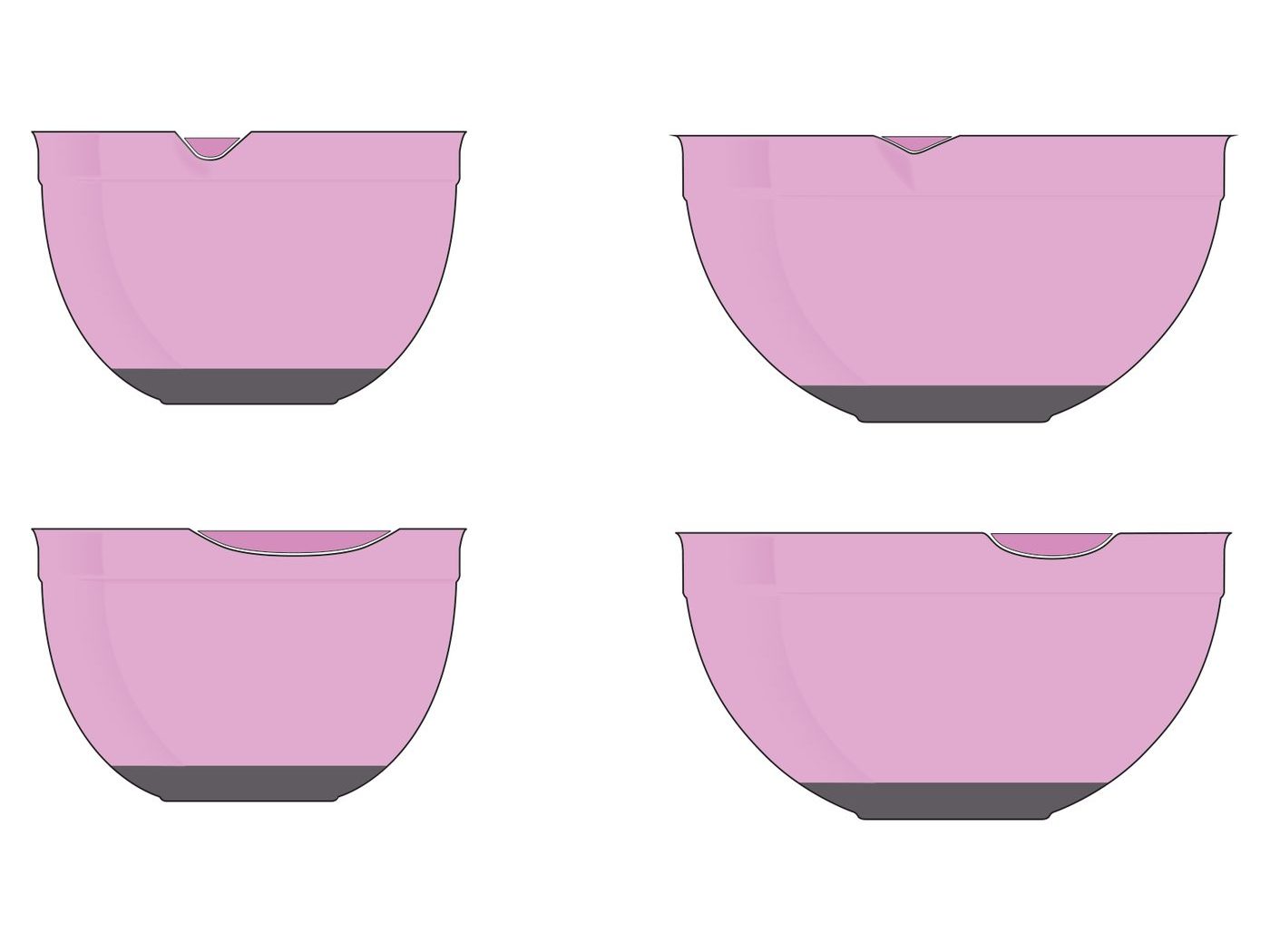
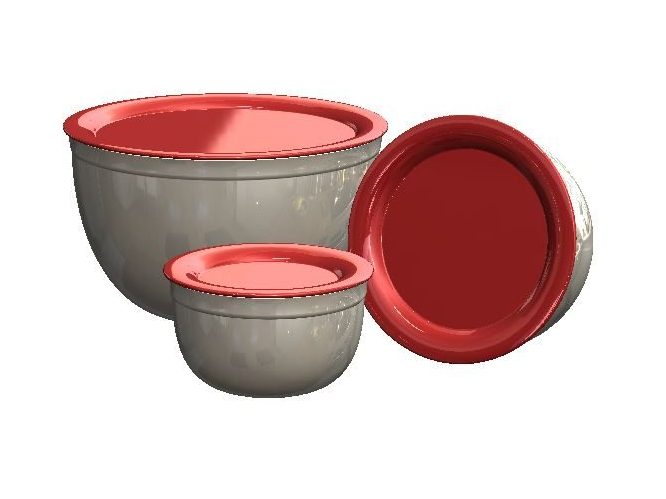
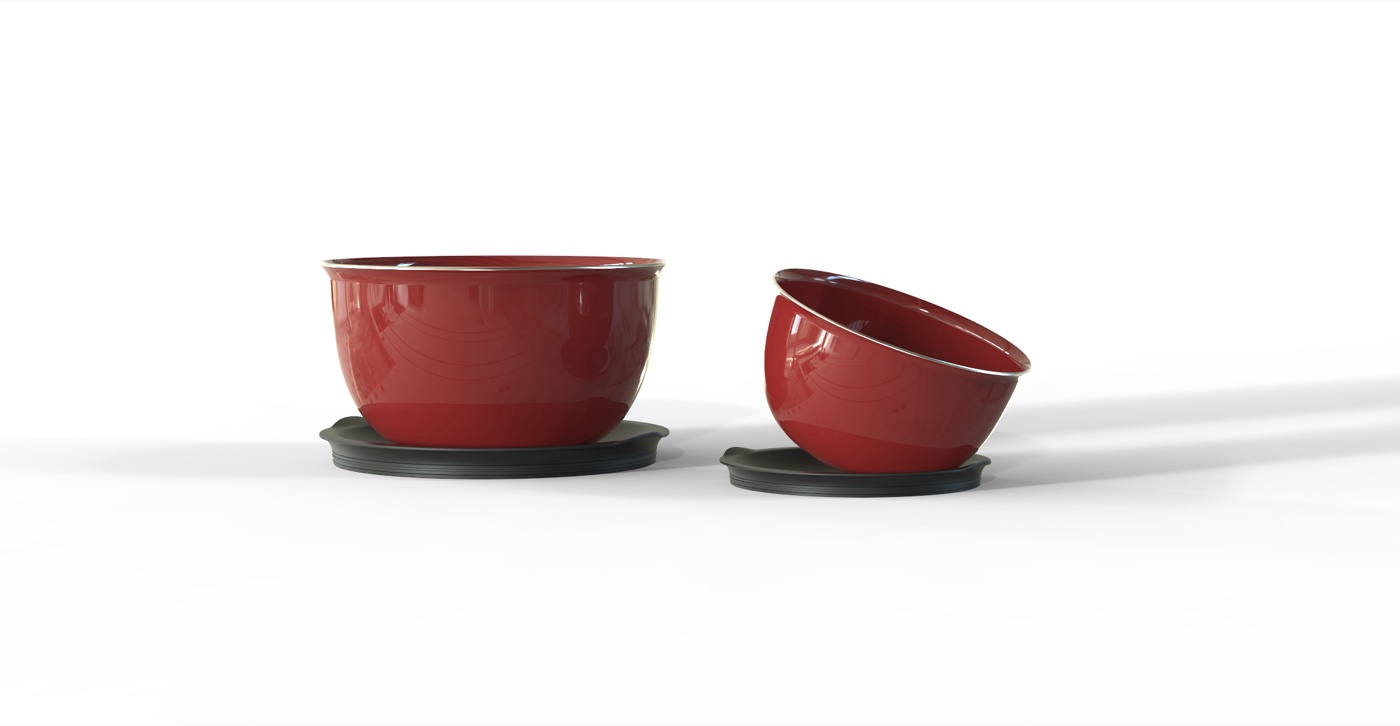
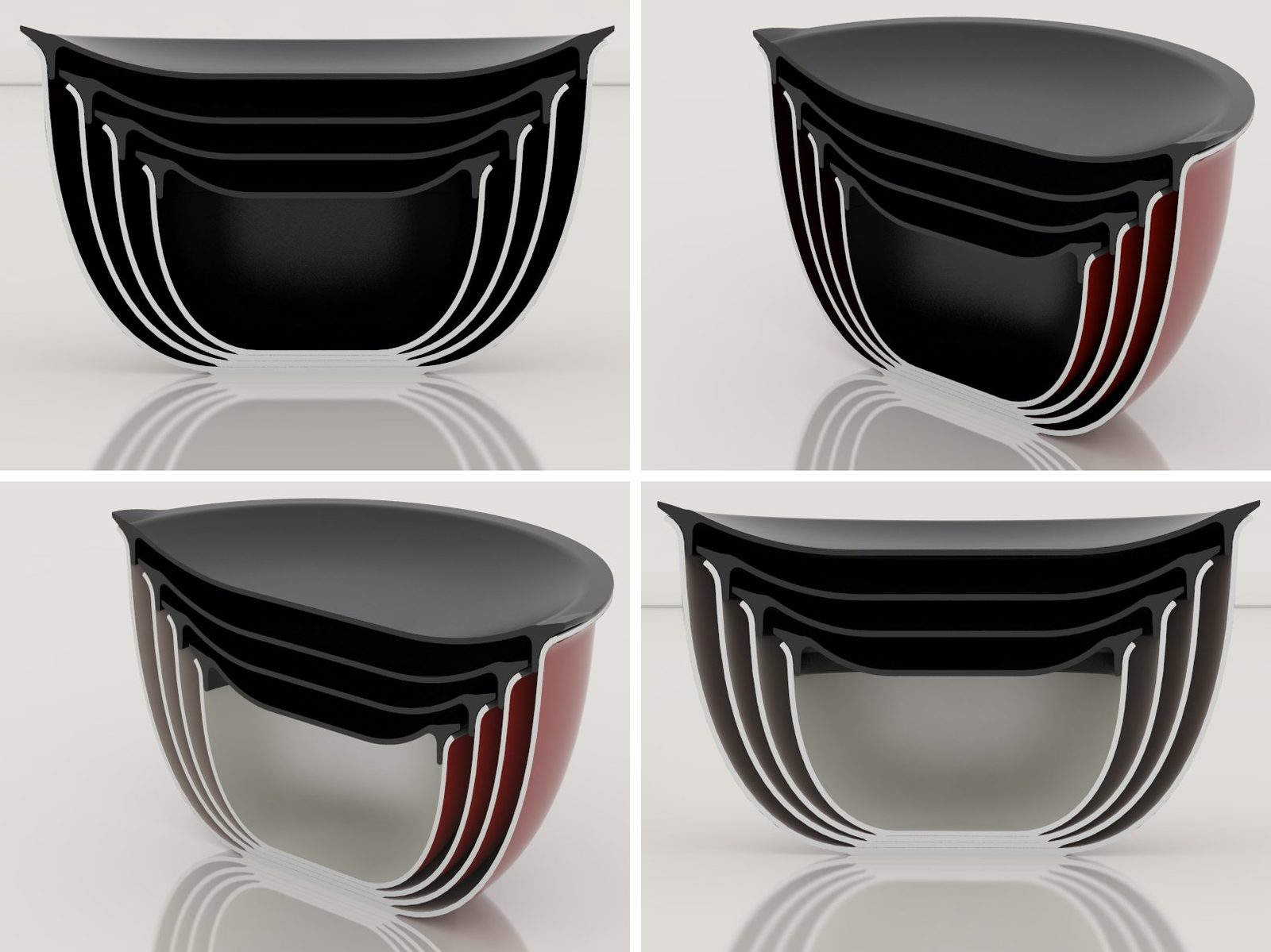
After evaluating the concepts and thinking about manufacturability, the bowls were refined to a continuous silhouette with a pour-friendly rim. The storage lids were shaped to complement the smooth simplicity of the bowls and friction-fit to them. The lids also double as a non-slip mat, with a flat area matched to the base circumference of each bowl.
03Nesting geometry
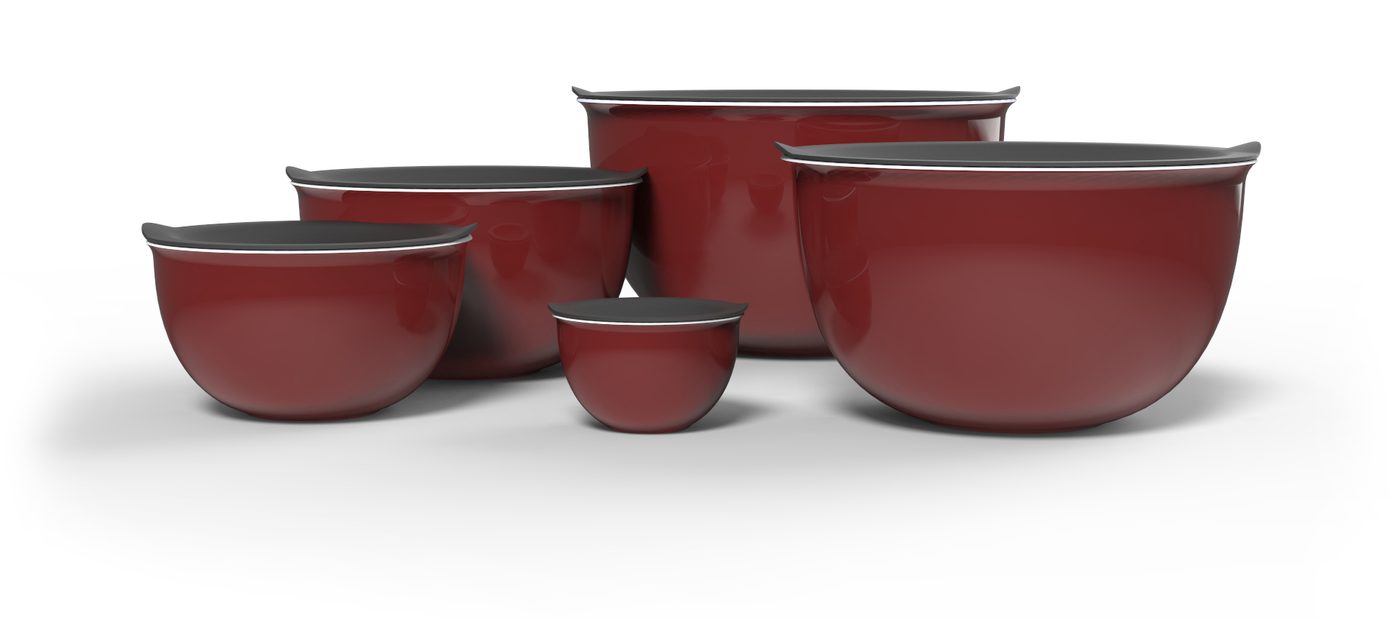
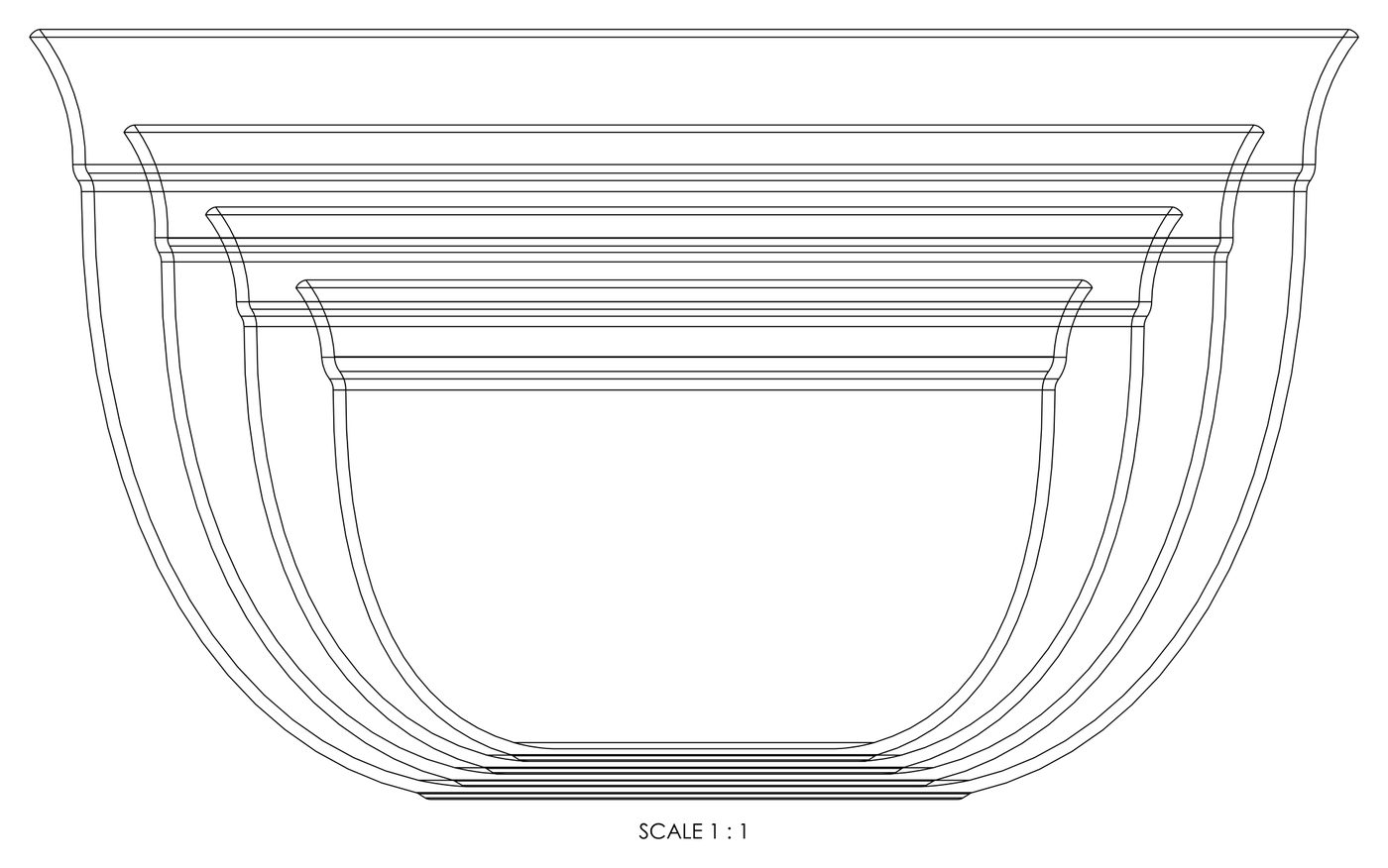
The bowls are designed as a nesting set, with enough room to store the set with the lids attached when putting them away. Five profiles were modeled and sectioned in CAD to compare how the bowls seat into each other and how tall the stack grows with the lids on.
04The resolved design
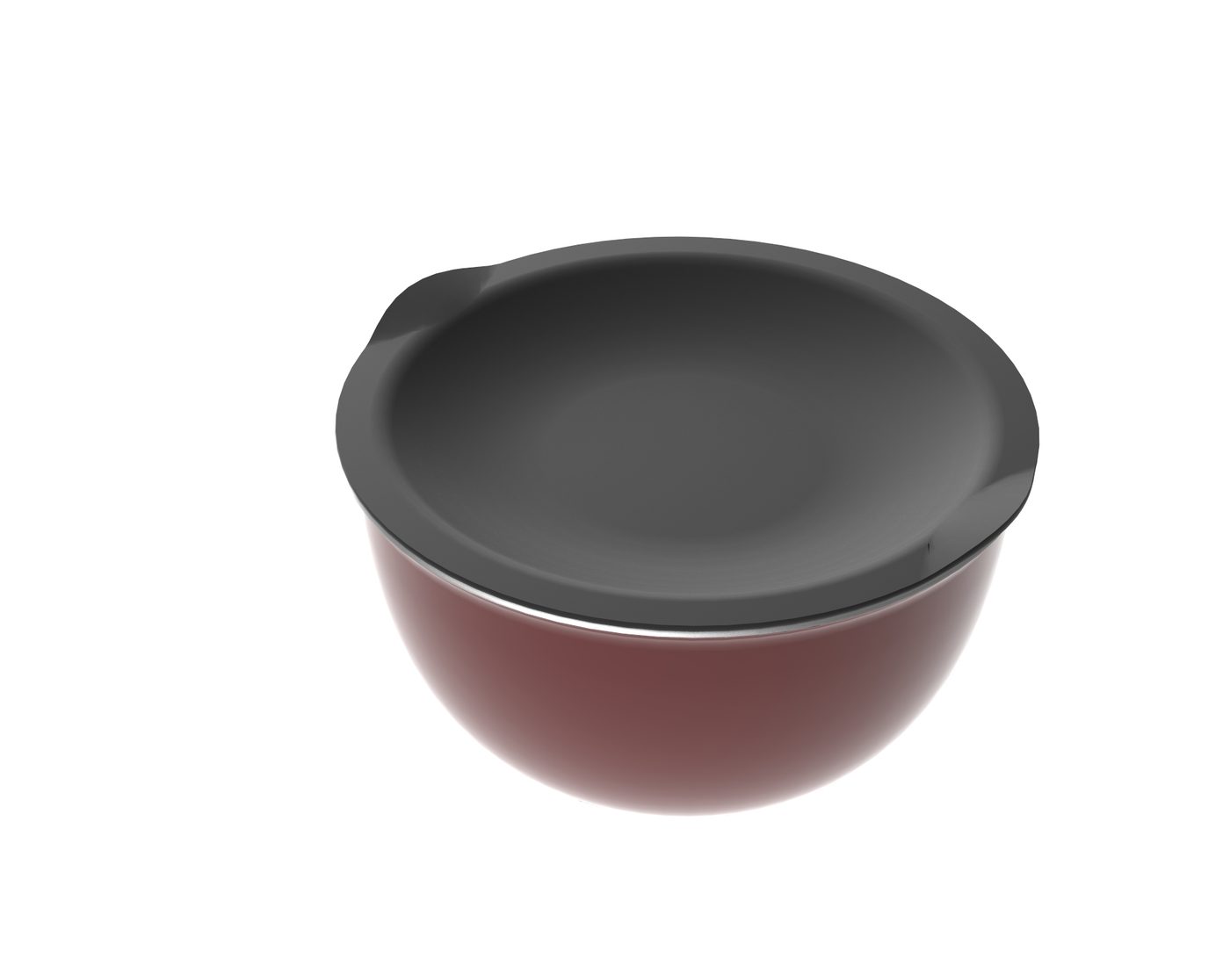
- Silicone lids — a flexible silicone lid with a wide rim seals each bowl for storage.
- Bowls seat on their lids — placed under the bowl, the lid becomes a non-slip base that keeps the bowl planted while mixing.
- Scalable silhouette — the same profile scales from the large mixing bowls down to the small prep bowls.
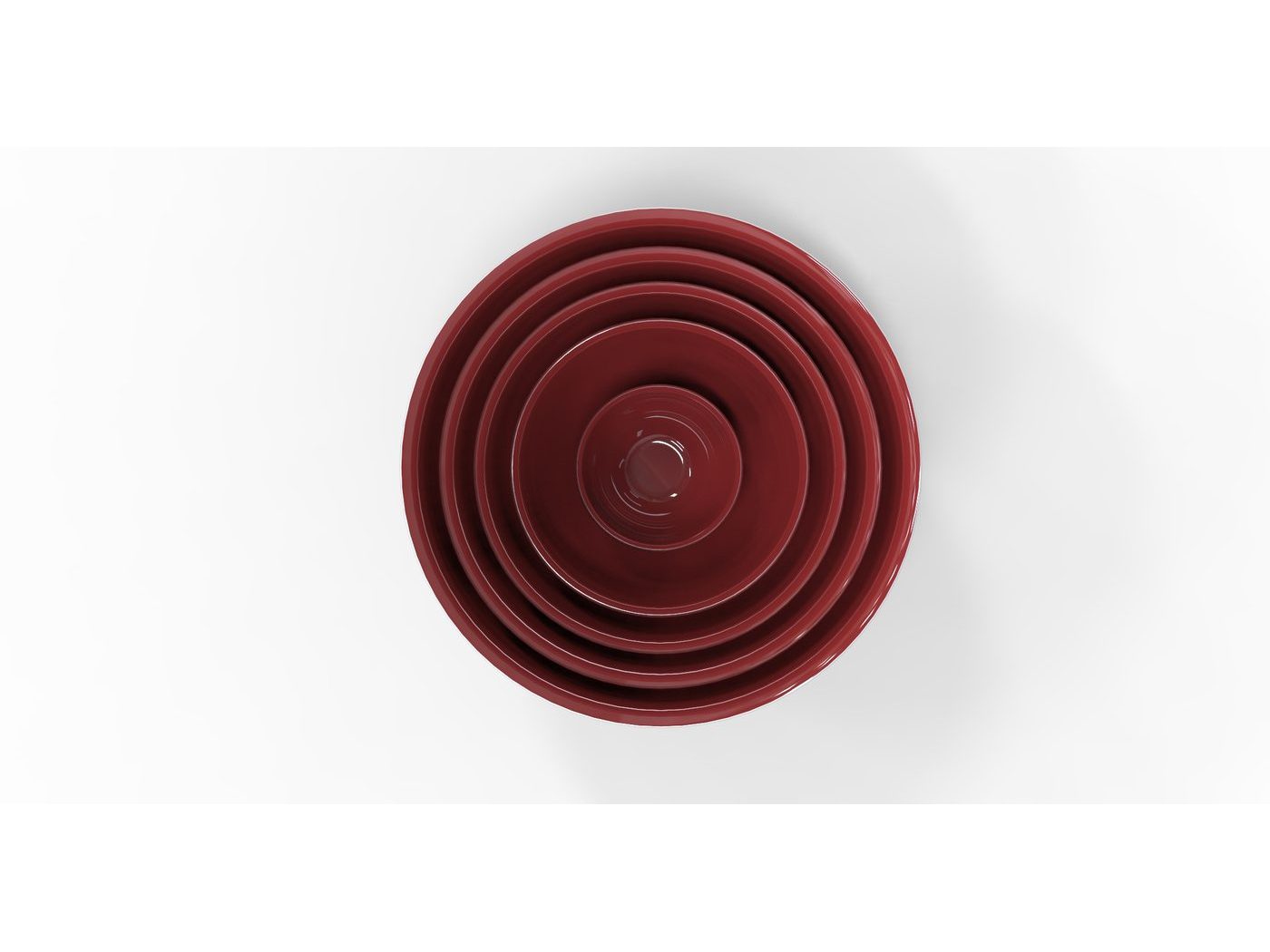
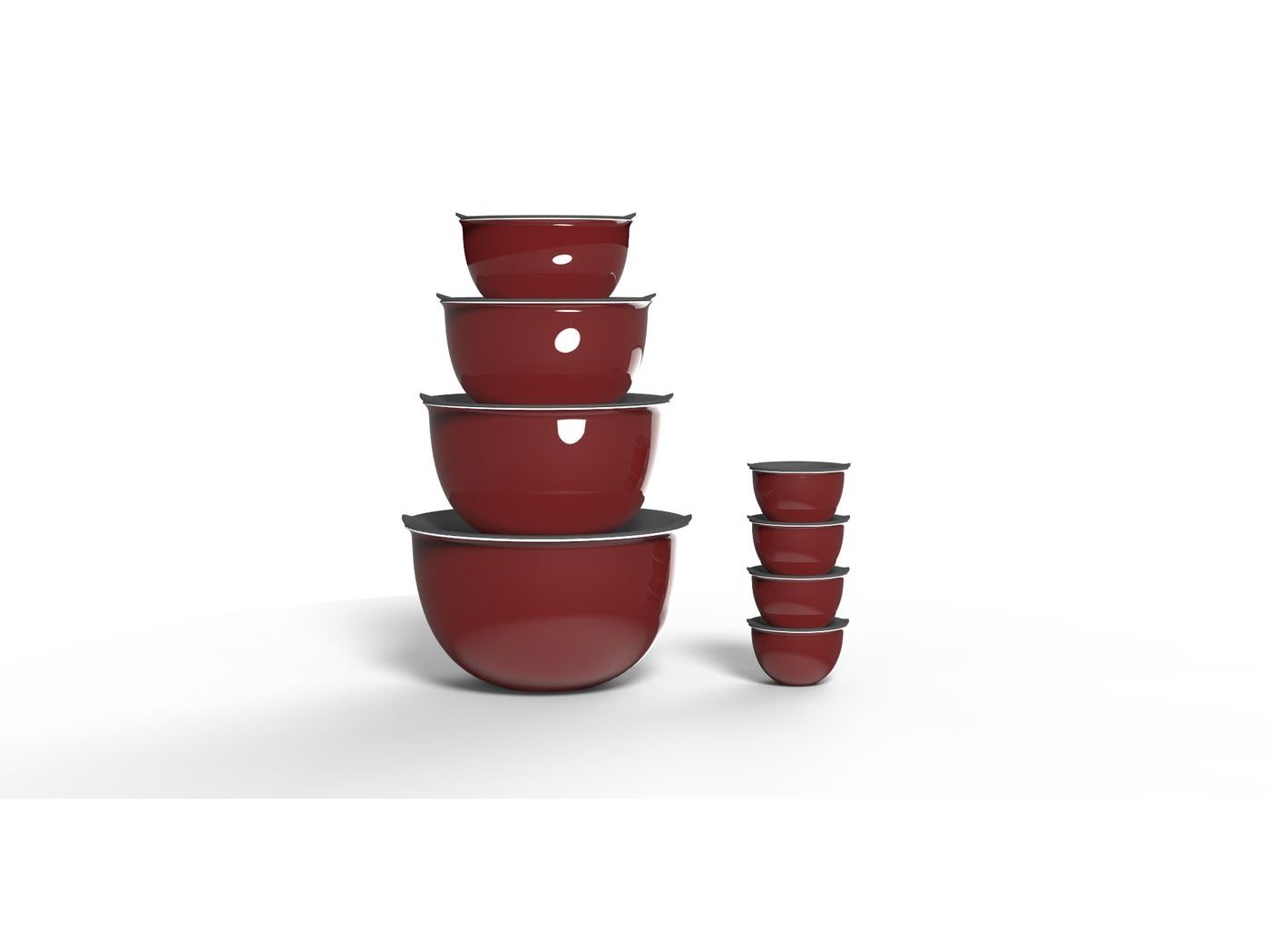
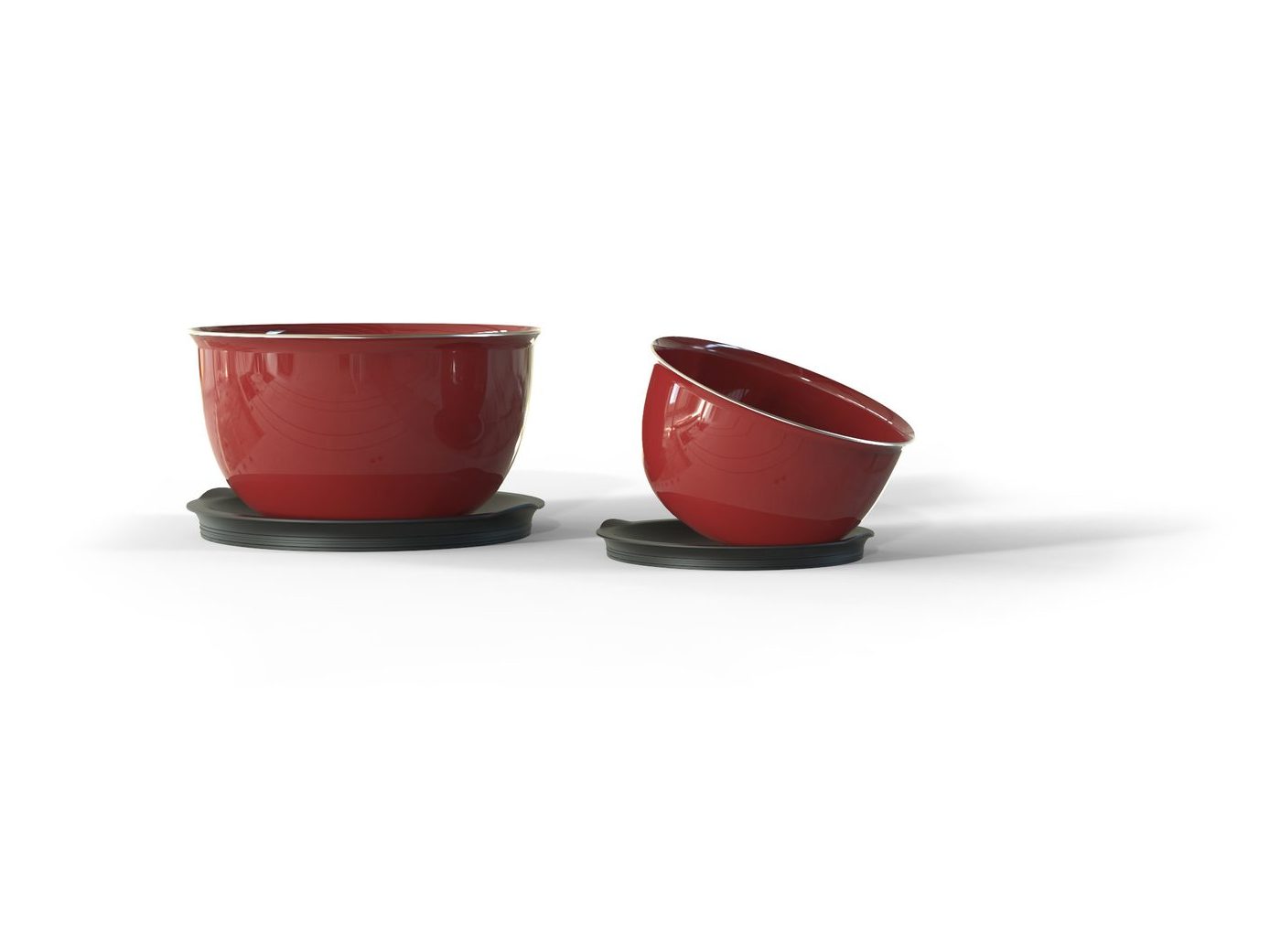
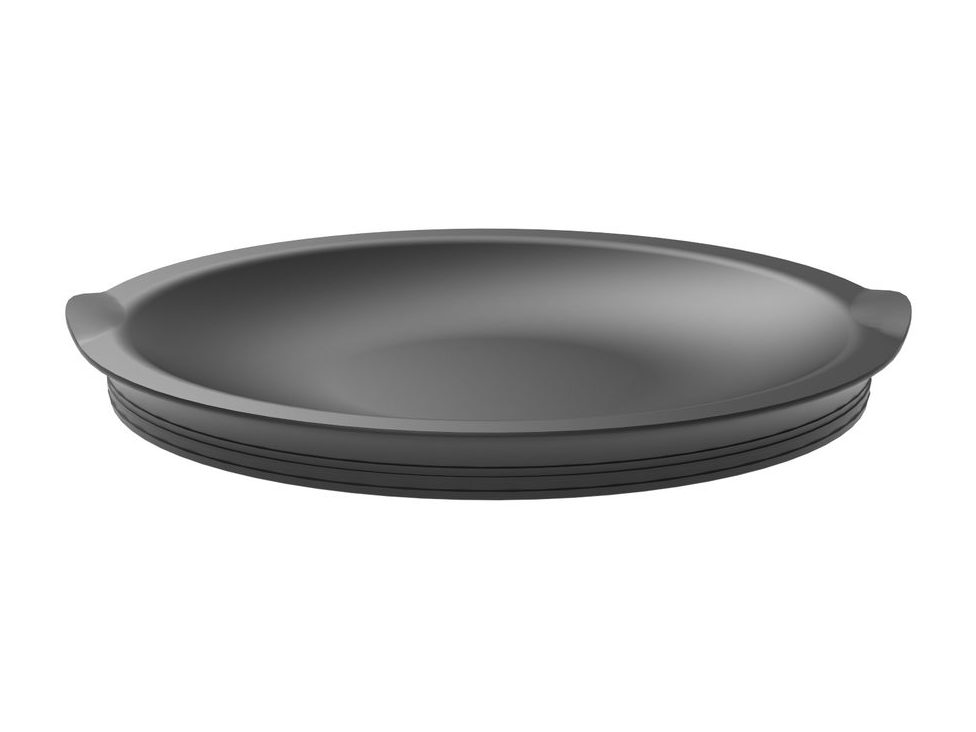
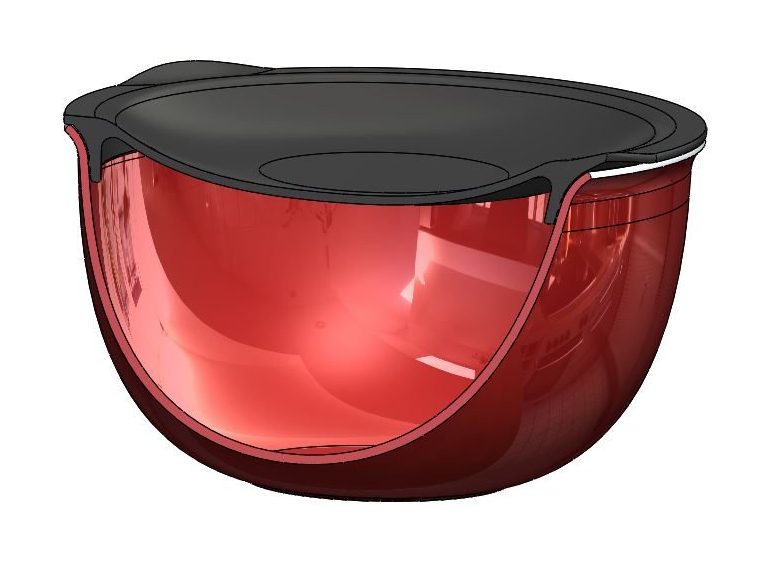
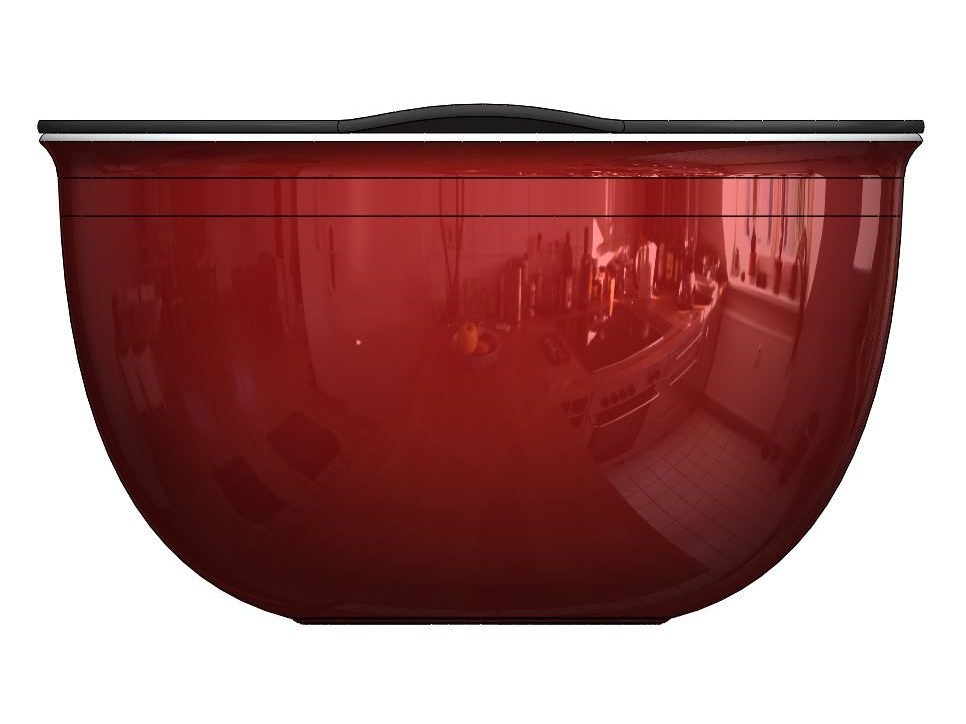
The shape of the base allows the bowls to be manipulated and rolled at an angle as needed. The lid's simplicity, with its raised portions, is visually sleek and functional when pulling it off the bowl. The flat areas of the lid are intentionally sized to match the bowl and allow stable stacking.
05Prototyping — making it real
A full-scale bowl was 3D printed, then sanded, primed, and spray-painted to a production-level gloss.
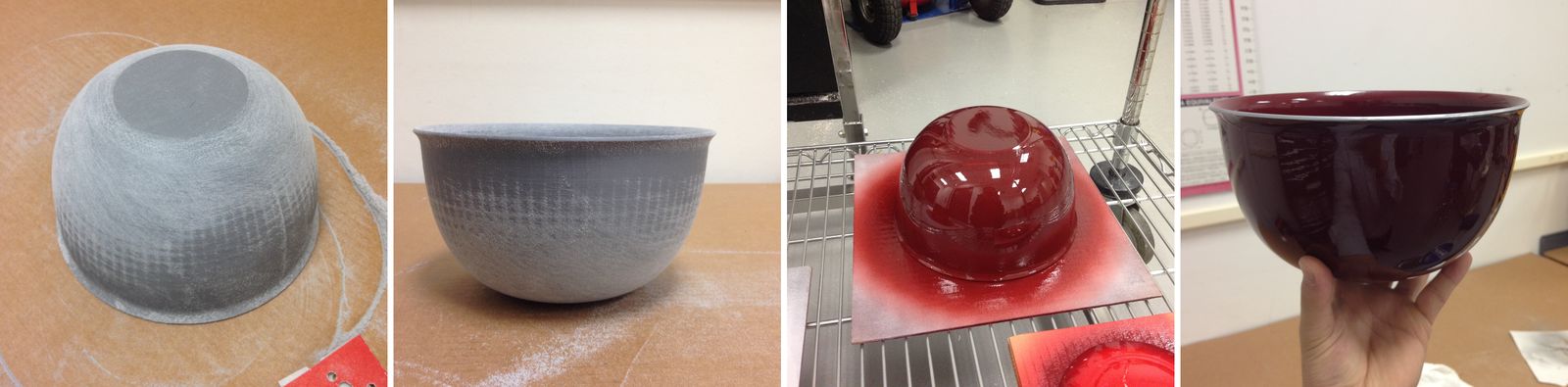
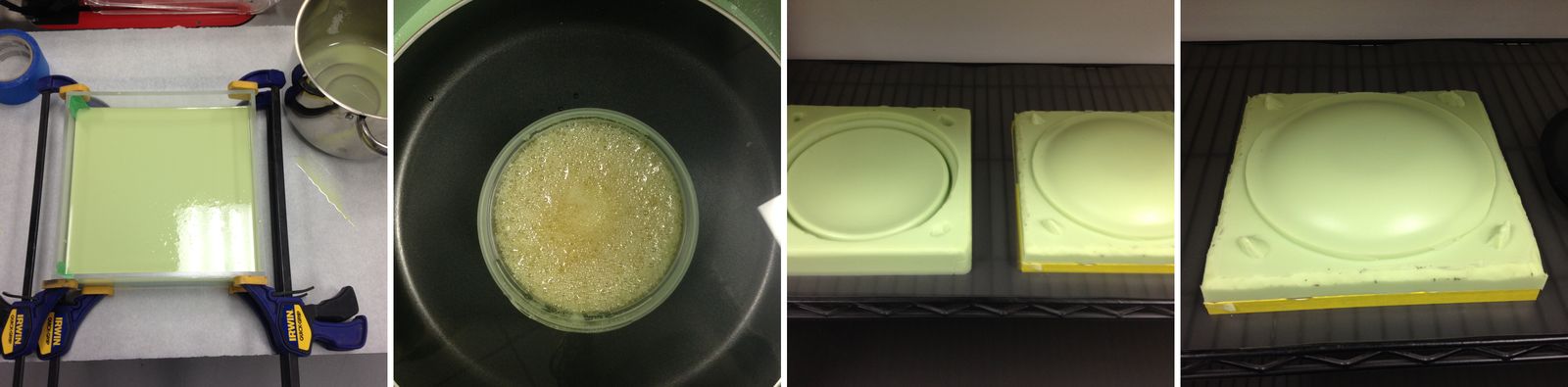
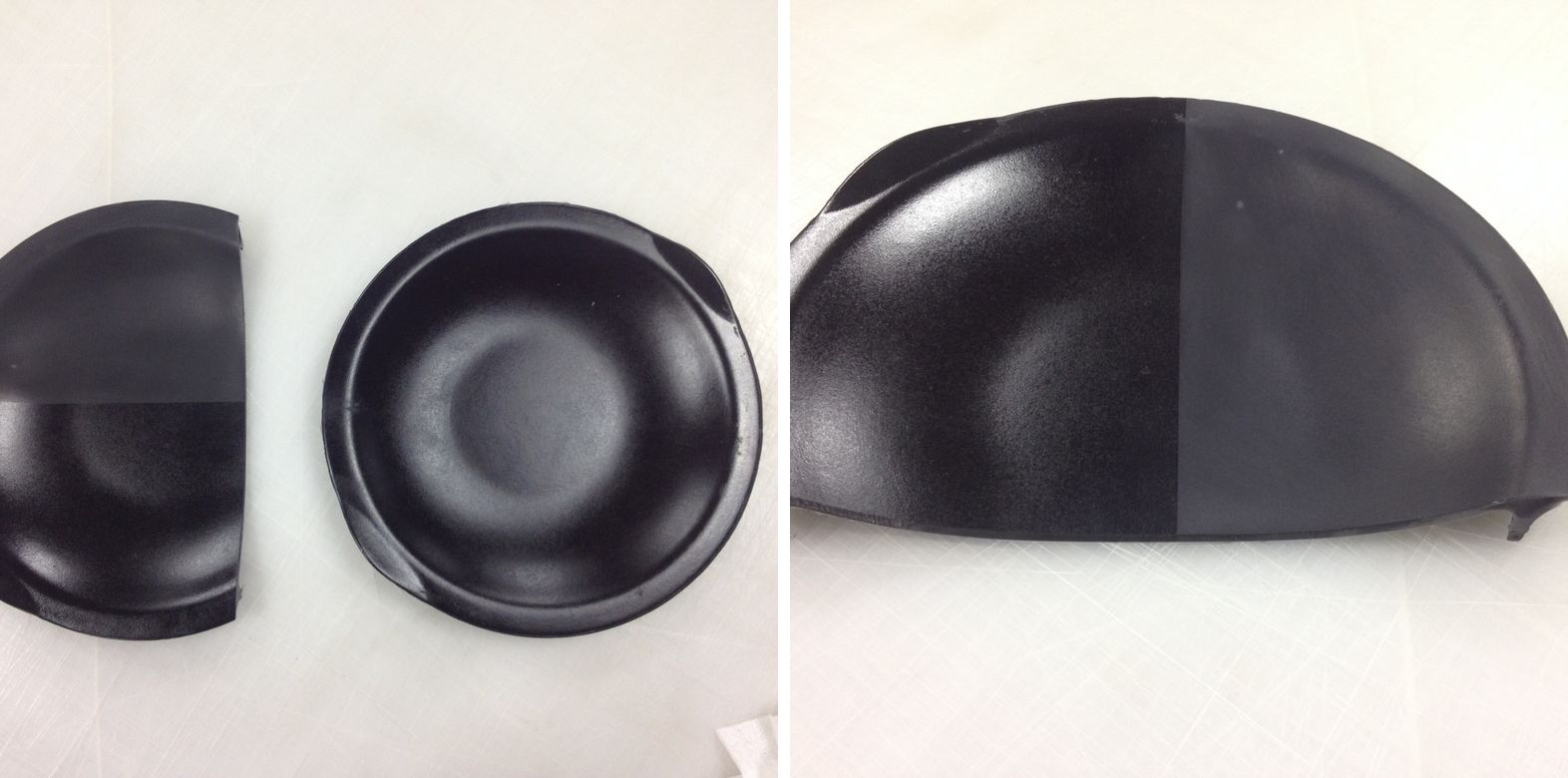
The lid had to flex like a production part, so it was cast in silicone instead of printed. I built a mold from a 3D printed lid, degassed the silicone under vacuum, and cast flexible lids from two-part molds — prototypes that could be stretched, seated, and peeled.